Tandy Leather Poundo Board 12 x 12 Inch - Shock Absorbing Rubber Surface, Protects Work Benches, Lessens Noise Review (2026)
Updated September 14, 2026 · Research-based review
Our verdict
A solid mid-size rubber poundo board for anyone punching, stamping or setting rivets regularly. It quiets the bench and protects both tools and tabletop, though the 12 x 12 inch size is bulkier to store than a small board and picks up dye marks over time.
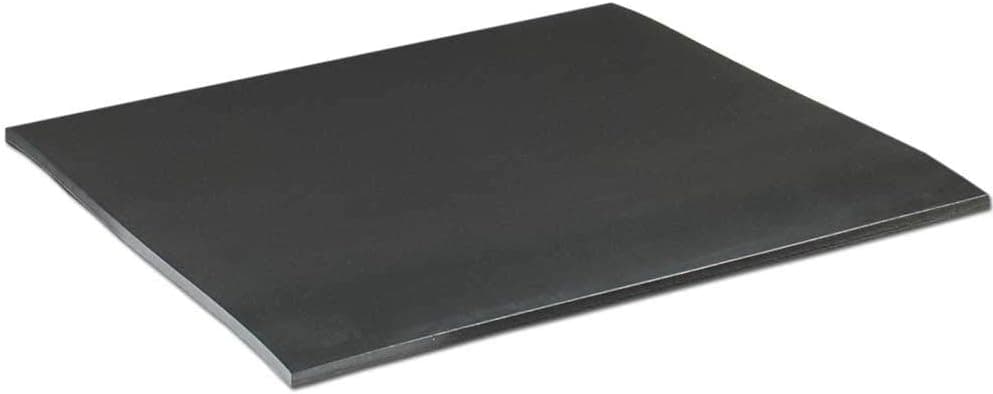
Tandy Leather's 12 x 12 Inch Poundo Board, a shock absorbing rubber surface that protects benches and lessens noise.
Price range: See on Amazon
What we liked
- + 12 x 12 Inch surface handles larger punching jobs
- + Lessens noise compared with punching on wood
- + Protects work benches from punch and chisel damage
Trade-offs
- - Bulkier and heavier to store than small boards
- - Surface can collect dye and debris over time
What this board is built to do
The Tandy Leather Poundo Board is a flat rubber work surface meant to sit under leather while you punch holes, set rivets and snaps, or strike stamping tools with a mallet. Tandy sells it in three sizes, and this listing is the medium 12 x 12 inch version, a step up from the 6 x 6 inch board and a step down from the 12 x 24 inch option. All three share the same roughly 0.2 inch thickness. The rubber absorbs the shock of each strike so punches and swivel knives keep their edge longer, and it muffles the thump of a mallet compared with hitting bare wood. For a home leatherworker doing belts, wallets, holsters or small bags at a desk or kitchen table, the 12 x 12 inch size gives enough working room for most pattern pieces without needing a dedicated workbench.
Size, material and how it fits a workspace
At 12 x 12 inches the board covers roughly the footprint of a standard cutting mat, so it fits most craft tables and slides easily into a drawer or under a bench when not in use, though it is noticeably heavier and stiffer to move around than the smaller 6 x 6 inch version. The rubber is solid black and roughly a fifth of an inch thick, enough mass to dampen vibration without adding real bulk to a workspace. Tandy also notes the board can double as a base under a granite or quartz slab to cut noise further, or sit on top of a hard surface to protect punch and chisel edges from dulling against stone or metal. It is designed purely as a work surface, not a cutting mat, so it pairs well with a separate self-healing mat for knife work.
Using it day to day
In regular use the board sits under the leather while a hole punch, drive punch, snap setter or edge beveler is struck with a mallet, and the give in the rubber means fewer bounced or misaligned holes compared with punching directly on a hard table. Because it protects the tool tips as well as the bench, it tends to extend the life of punches and stamps that would otherwise blunt against wood or metal. Over time the surface will pick up small nicks, dye stains and debris from repeated punching, which is cosmetic rather than functional and does not stop the board from working. It needs no special care beyond wiping off loose scraps, and there is nothing to oil, season or replace, which makes it a low maintenance addition to a leathercraft bench.
Trade-offs and how it compares
Against the smaller Tandy Leather Poundo Board 6 x 6 Inch, this 12 x 12 inch version trades portability for working area, useful if projects regularly involve full belt blanks or bag panels rather than small pouches. Against the Weaver Leather Supply Silent Poundo Board, which is billed as self-repairing where punch marks close back up over repeated use, this Tandy board is a simpler slab of rubber without that self-healing claim, so heavy daily punching in one spot will leave a more visible worn patch sooner. It also costs less to store per square inch than buying two smaller boards, but anyone working in a tight space or only doing small leather goods may still prefer the compact 6 x 6 inch size.
Who should buy it
This poundo board suits anyone doing regular hole punching, snap setting or light stamping on belts, wallets, bags or sheaths who wants a quieter, tool-friendly surface without investing in a full workbench setup. The 12 x 12 inch size is the practical middle ground for most hobbyists and small workshop use. Buyers who mostly work on tiny items like keychains or coin purses may get by with the smaller 6 x 6 inch board and save shelf space, while anyone cutting full hides or long belt strips regularly will outgrow this size and should look at the 12 x 24 inch board instead. For most home leatherworkers starting out or upgrading from a cutting mat alone, this size covers the bulk of everyday projects.
Frequently asked questions
What thickness is the Tandy Leather Poundo Board?
This board is about 0.2 inches thick, the same thickness Tandy uses across its 6 x 6, 12 x 12 and 12 x 24 inch sizes.
Can I use a poundo board as a cutting mat?
It is meant for punching, stamping and setting hardware rather than knife cutting, so most leatherworkers keep a separate self-healing mat for cutting leather with a blade.
Does the poundo board reduce noise from mallet work?
Yes, the rubber surface absorbs shock and dampens the sound of a mallet striking a punch or stamping tool compared with working directly on a wood or stone bench.
Will the surface wear out with regular use?
The rubber will show nicks and dye marks over time from repeated punching in the same spots, but this is cosmetic and does not stop the board from cushioning strikes.
Prices change often, so check the current price and availability on Amazon.
Check price on AmazonLeatherwork Nest may earn a commission from the link above.