Leather Weight Chart
Published How we research
Leather thickness is sold in ounces, an old tannery unit where one ounce equals roughly 1/64 of an inch (about 0.4mm), and a single cut of veg-tan hide is usually stamped with a range like 8-9oz rather than one exact number. This chart converts every common weight to millimeters and inches and matches each range to the projects it actually suits, so a supplier's oz listing translates directly into what you can build with it.
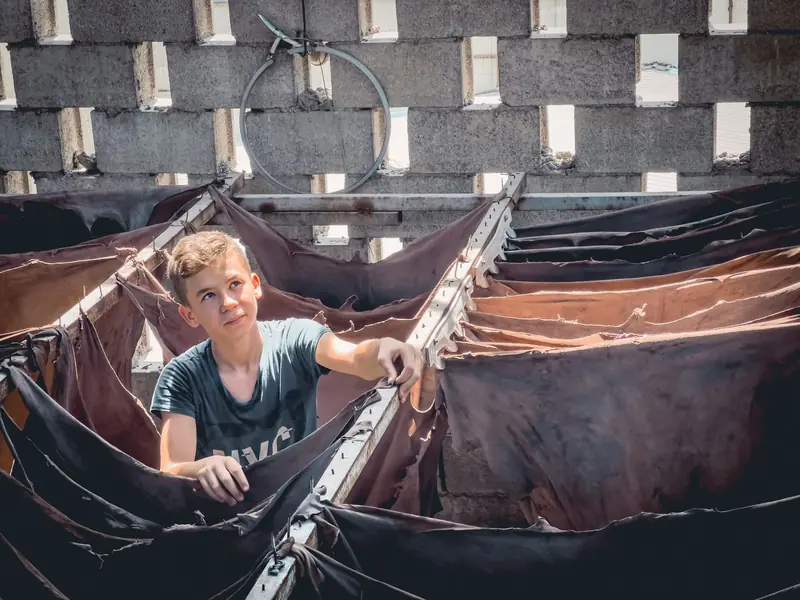
Where the ounce unit comes from
The ounce weight system dates to when tanneries measured a hide's thickness by weighing a fixed square footage of it, so one ounce originally meant one ounce of leather per square foot, which works out to a thickness of about 1/64 inch or roughly 0.4mm per ounce. Hides are a natural material with real thickness variation across a single skin, which is why suppliers list a range (5-6oz, 8-9oz) rather than a single exact figure, and why a project calling for '7oz' should really be read as 'somewhere in the 6.5 to 7.5oz neighborhood.'
Full conversion chart: 1oz to 15oz
1-2oz (0.4-0.8mm): tissue-thin, used for lining leather inside wallets and bags, or as a backing layer glued to a thicker face leather rather than used on its own.
2-3oz (0.8-1.2mm): light garment and glove-weight leather, also common for leather lining and light bookbinding covers.
3-4oz (1.2-1.6mm): light small-goods leather, used for card wallet exteriors when doubled, and for leather that will be folded frequently without stiffness.
4-5oz (1.6-2mm): a popular small-goods weight for single-layer wallet panels, notebook covers, and small pouches where some body is wanted without bulk.
5-6oz (2-2.4mm): the classic wallet and small leather goods weight, thick enough to hold shape and take an edge finish cleanly while still folding without cracking at a scored line.
6-7oz (2.4-2.8mm): a versatile mid-weight used for slightly heavier wallets, small bags, and as a doubled layer in belt or strap construction.
7-8oz (2.8-3.2mm): a common single-layer belt and strap weight for lighter belts, plus structural bag panels and camera straps.
8-9oz (3.2-3.6mm): the standard single-layer belt weight for most adult belts, and a common holster and sheath backing weight.
9-10oz (3.6-4mm): heavy belts, structural bag bottoms and gussets, and single-layer holsters for smaller firearms.
10-12oz (4-4.8mm): heavy-duty belts, most single-layer holsters and knife sheaths, and tool pouches that need to hold their shape unsupported.
12-14oz (4.8-5.6mm): very heavy structural leather used for saddle skirting, heavy work belts, and holsters for larger firearms wanting maximum retention rigidity.
14-15oz and up (5.6mm+): saddle and harness-grade leather, rarely used outside equestrian tack and specialty heavy structural work, and generally split down before use in most other crafts.
Matching weight to project by category
Wallets and card holders: 4-6oz for exterior panels that need to fold cleanly, with 2-3oz commonly used for interior card pockets and lining. Doubling a lighter weight often looks and wears better than using one thick, stiff piece for a wallet meant to flex daily.
Belts: 8-9oz for most single-layer adult belts, stepping up to 9-10oz for heavy-duty or larger builds. Many belt makers skive the buckle fold thinner regardless of the base weight so the doubled leather at the fold does not bulge.
Bags and totes: 6-8oz for structural exterior panels, sometimes paired with a lighter 2-4oz lining leather and 9-10oz or heavier leather for load-bearing straps and gussets that see the most stress.
Holsters and sheaths: 8-10oz for most handgun holsters, with double-layer construction common at 8-9oz per layer for retention and rigidity; large knife and hatchet sheaths often move up to 10-12oz for a single stiff layer.
Straps and camera straps: 7-9oz single layer, or a lighter 4-5oz face leather backed with a matching or lighter lining layer for comfort against skin.
Splitting and layering to hit an exact target
A leather splitter shaves a thick hide down to a precise thinner weight, letting a crafter buy heavier stock and split it to whatever thinner weight a specific project needs, which is far more economical than stocking every weight separately. Home crafters without a splitter can approximate the same result by skiving, thinning a specific area like a fold or overlap with a hand skiving tool, which reduces bulk exactly where doubled leather would otherwise stack up too thick.
Combining two thinner weights by gluing them together, a technique often called laminating, produces a combined thickness close to the sum of the two layers and lets a maker build a custom weight from stock they already have on hand, such as pairing two 4oz pieces to approximate an 8oz result while adding some structural rigidity from the glue bond itself.
Popular right now
- Setting Rivets and SnapsArticle
- Best Pricking Irons for Clean, Slanted Saddle StitchesBuying guide
- Best Gum Tragacanth and Burnishing Agents for Leather EdgesBuying guide
- How to Dye Leather EvenlyArticle
- Choosing Your First Leather KnifeArticle
- Hand Stitching vs Machine Stitching LeatherArticle
Based on the last 28 days of search and visitor data.