Veg-Tan vs Chrome-Tan Leather
Published How we research
Nearly every piece of leather you can buy has been through one of two tanning processes, and the choice between them shapes everything you can do with the material. Vegetable tanning uses plant-derived tannins from bark, wood, and leaves in a slow process that can take weeks. Chrome tanning uses chromium salts and finishes in about a day. Neither is universally better; they are different materials that happen to share a name, and picking the wrong one for a project is one of the most common beginner mistakes.
Products from this article
The highest-scoring picks from the buying guides this article links to. Scores are our editorial assessment, not customer ratings.
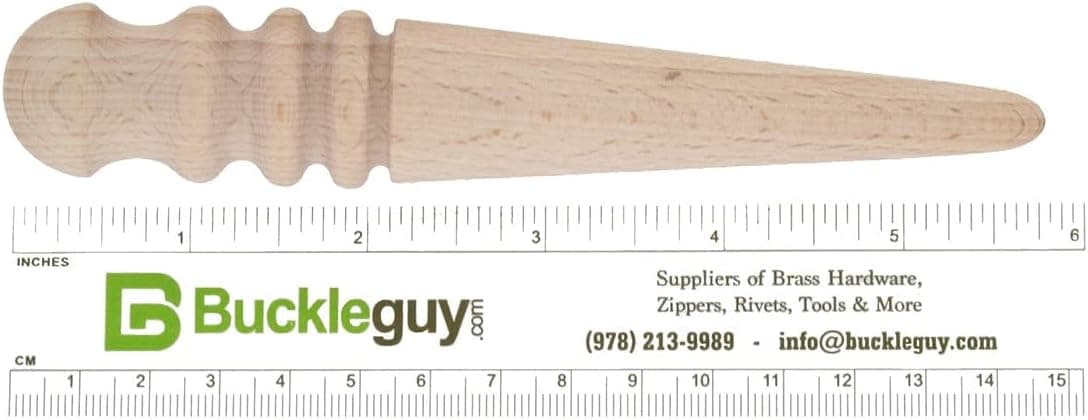
+ High density ebony polishes edges quickly
From our guide: Best Burnishing Tools for Leather Edges
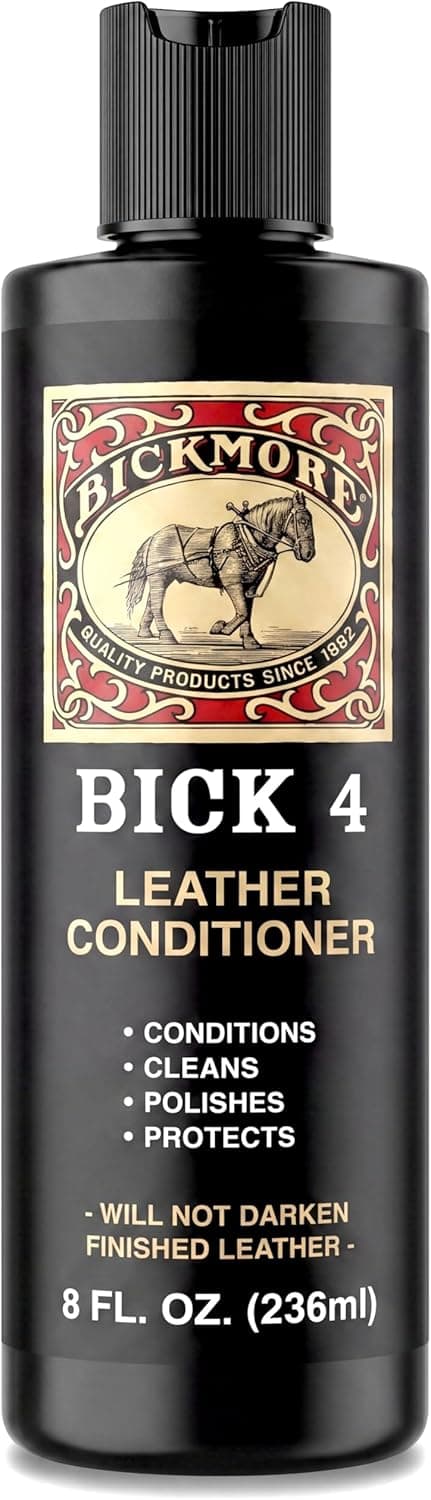
+ Listed as won't darken, so light leather keeps its tone
From our guide: Best Leather Cleaners for Every Type of Leather
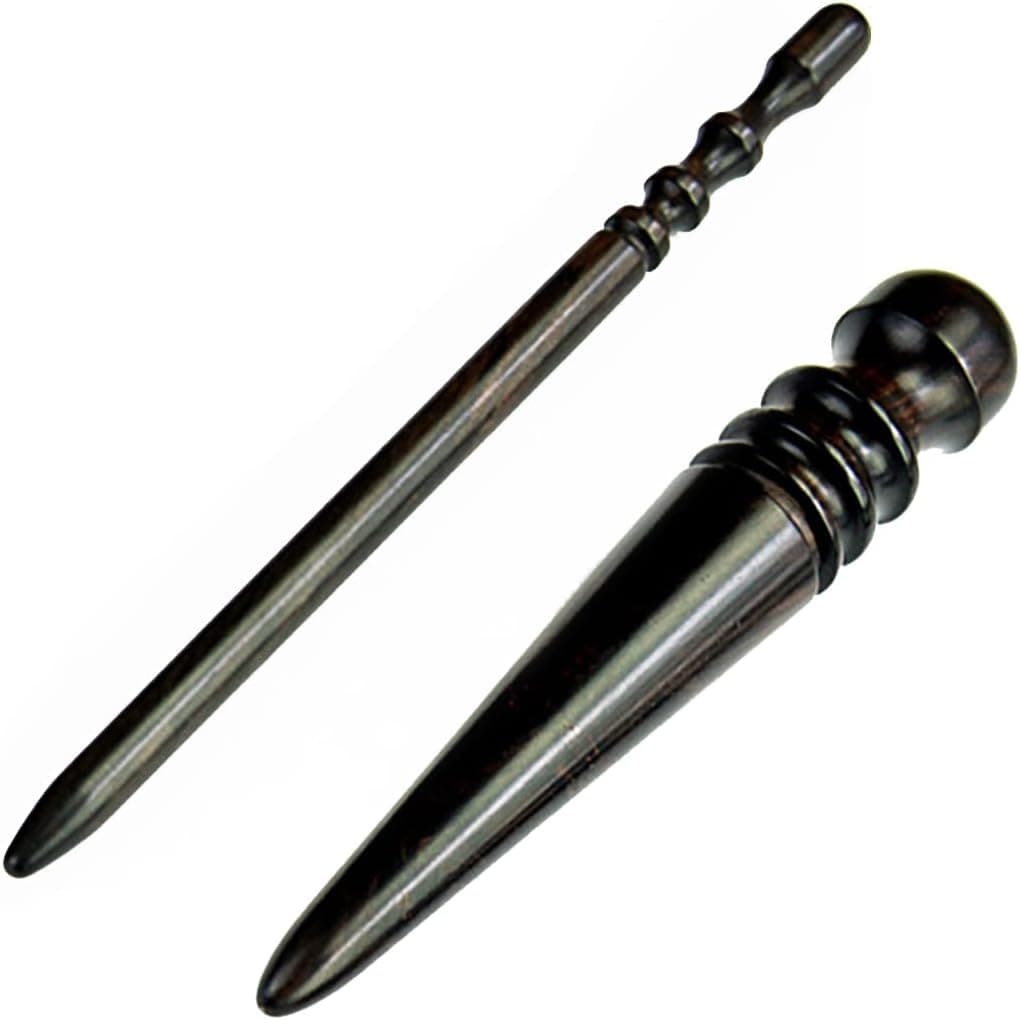
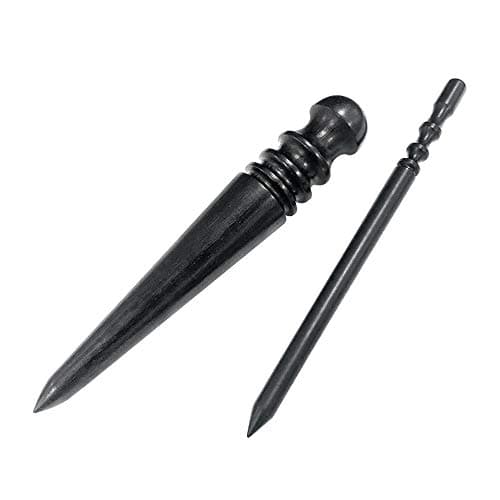
+ Two tools in the set: a large burnisher for long outer edges and a compact one for narrow positions and the inside of round holes
From our guide: Best Burnishing Tools for Leather Edges
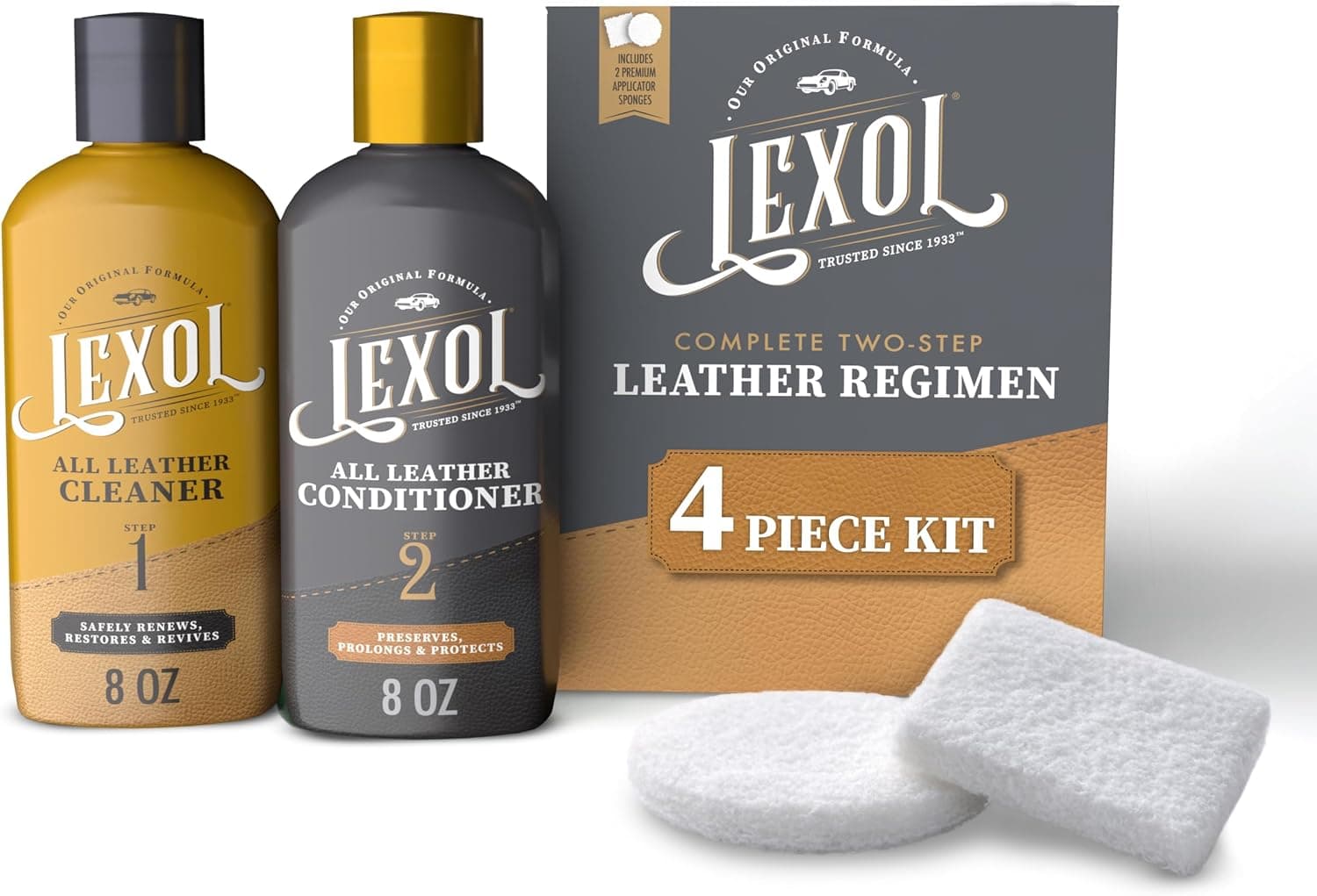
+ Two-step system cleans before conditioning
From our guide: Best Leather Cleaners for Every Type of Leather
Veg-tan leather is firm, dense, and slightly stiff off the roll. Its defining trait for crafters is that it responds to water: dampen it and it becomes plastic enough to stamp, carve, emboss, and mold, then it dries holding that shape. It burnishes to a glassy edge, takes dye and oil readily, and darkens over years into a rich patina. This is the leather for tooled belts, molded knife sheaths, holsters, and any project where you want crisp structure and slick finished edges. Its downsides are water spotting, initial stiffness, and a higher price for good quality.
Chrome-tan leather is soft, supple, and usually drum-dyed all the way through in the tannery. It shrugs off water better, resists staining, comes in every color imaginable, and drapes beautifully, which is why nearly all garment leather, upholstery, and soft bag leather is chrome tanned. But it will not burnish, it cannot be wet molded or tooled in any meaningful way, and its edges are usually finished with paint rather than polishing. Stitching it is easy, though the softness means seams can look wavy without careful technique.
A practical way to choose: if the project needs to hold a shape or carry decoration pressed into the surface, use veg-tan. If the project needs to flex, fold, and feel soft in the hand, chrome-tan is usually the right call. Many of the best bags combine both, with a veg-tan bottom and straps for structure and chrome-tan panels for the body. Wallets sit in the middle; firm veg-tan wallets age beautifully, while chrome-tan wallets feel broken-in from day one.
There are also combination tannages that run hides through chrome first and then retan with vegetable tannins. These try to capture chrome softness with some veg-tan character, and leathers in this family power many popular boot and bag leathers. For a beginner they behave mostly like a firm chrome-tan: pleasant to stitch, limited for tooling, and edges that burnish only partially.
Whatever you choose, buy from a seller who states the tannage explicitly. Listings that just say genuine leather with no tanning information are usually chrome-tan of unknown quality, and if you were planning to tool or burnish it, the project fails before the first cut. Once you have handled both types side by side, your fingers will tell them apart in seconds, and matching material to project becomes second nature.
At a glance: Veg-tan vs Chrome-tan
| Veg-tan | Chrome-tan | |
|---|---|---|
| Tanning | Plant tannins | Chromium salts |
| Tooling and stamping | Yes | No |
| Edges | Burnish to a smooth finish | Usually edge painted or folded |
| Feel | Firm, softens with use | Soft and supple |
| Water | Marks and darkens when wet | More water resistant |
| Ageing | Develops patina | Changes less |
Choose Veg-tan if
- You want to tool, stamp or mould leather
- You make belts, holsters and wallets
- You love patina
Choose Chrome-tan if
- You make soft bags or garments
- Water resistance matters
- You want a consistent look over time
Bottom line: Beginners usually start with veg-tan because it is forgiving to cut, burnishes beautifully and teaches the craft. Chrome-tan is better for soft, drapey projects.
Popular right now
- Setting Rivets and SnapsArticle
- Best Pricking Irons for Clean, Slanted Saddle StitchesBuying guide
- Best Gum Tragacanth and Burnishing Agents for Leather EdgesBuying guide
- How to Dye Leather EvenlyArticle
- Choosing Your First Leather KnifeArticle
- Hand Stitching vs Machine Stitching LeatherArticle
Based on the last 28 days of search and visitor data.