Hand Stitching vs Machine Stitching Leather
Published How we research
Hand saddle stitching locks each stitch independently so a severed thread doesn't unravel the seam, making it the standard for hard-use items like tack and heirloom goods, while machine lockstitch can run if damaged but is still far stronger than most projects need. Economics matter more than engineering: hand stitching costs almost nothing to start but takes far longer per piece, while a leather machine costs significantly more upfront but pays off at volume. Appearance differs too, with hand stitching's slanted look signaling handmade craft versus a machine's straight, uniform line. Beginners should learn saddle stitch first regardless of machine ambitions. Few debates in leatherwork carry as much identity as hand stitching versus machine stitching, and most of the heat comes from treating a practical question as a moral one. The honest comparison is about construction, economics, and appearance, and it ends in a conclusion both camps quietly accept: they are different tools for different jobs, and knowing which job is in front of you settles the argument.
Products from this article
The highest-scoring picks from the buying guides this article links to. Scores are our editorial assessment, not customer ratings.
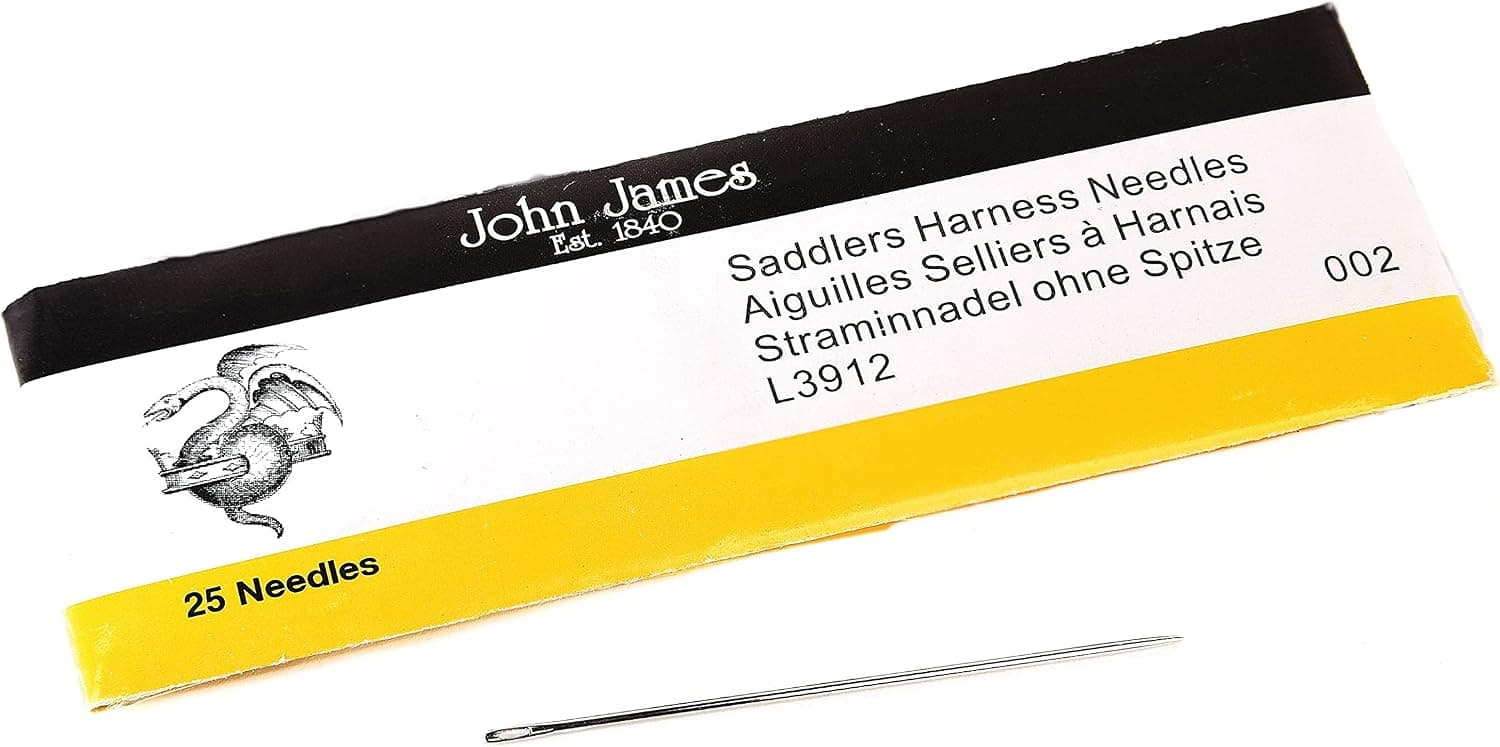
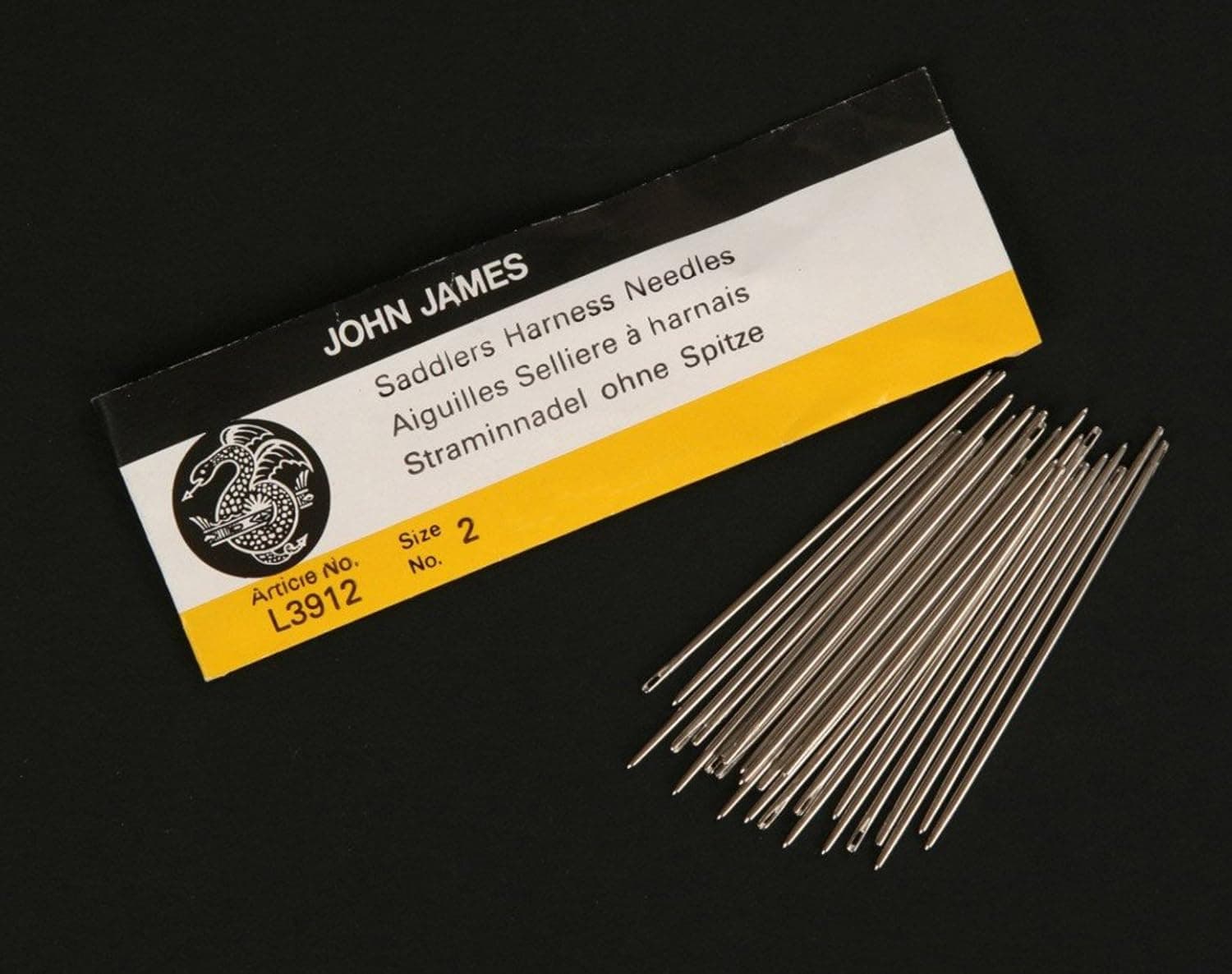
+ John James is a classic English needle maker
From our guide: Best Leather Needles for Hand Stitching and Saddle Stitch
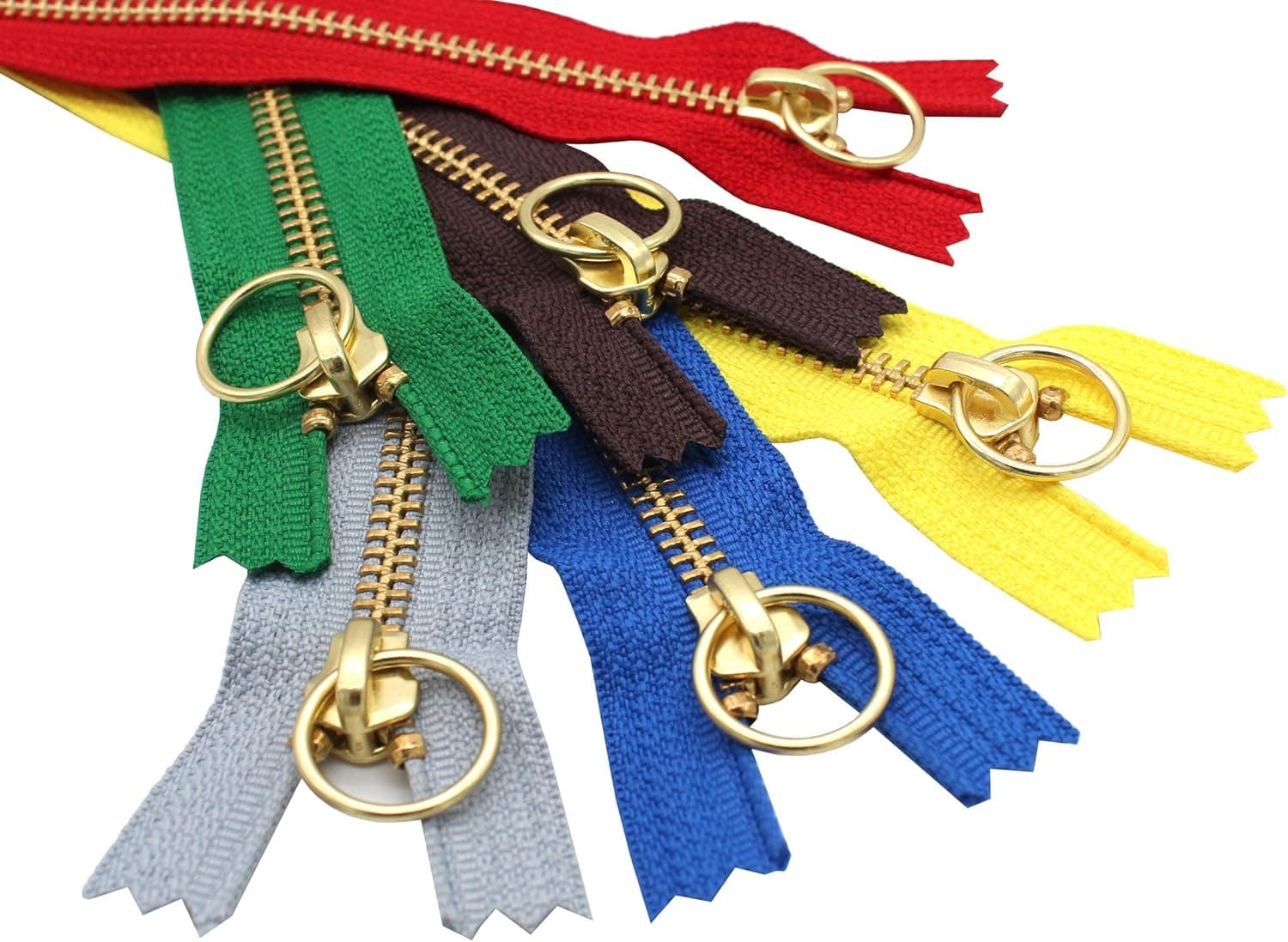
+ YKK #5 zippers are trusted for strength and smooth pulls
From our guide: Best Leathercraft Hardware
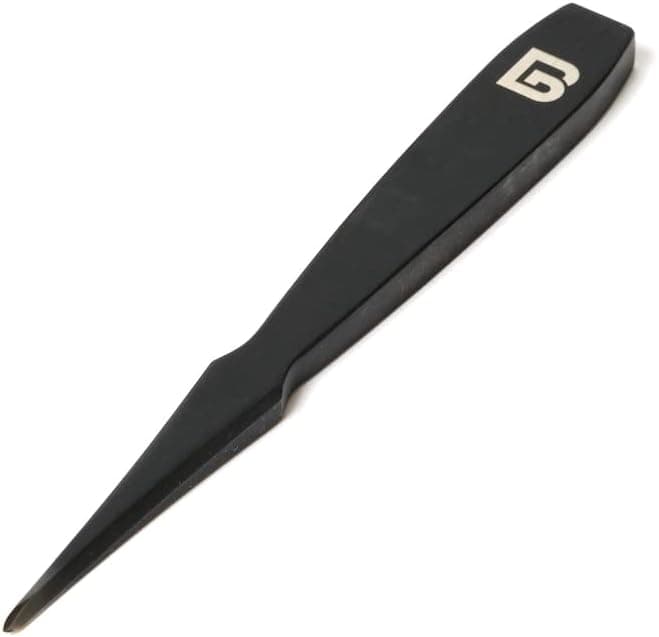
+ Olive/diamond tooth shape creates a refined stitch slant
From our guide: Best Pricking Irons for Clean, Slanted Saddle Stitches
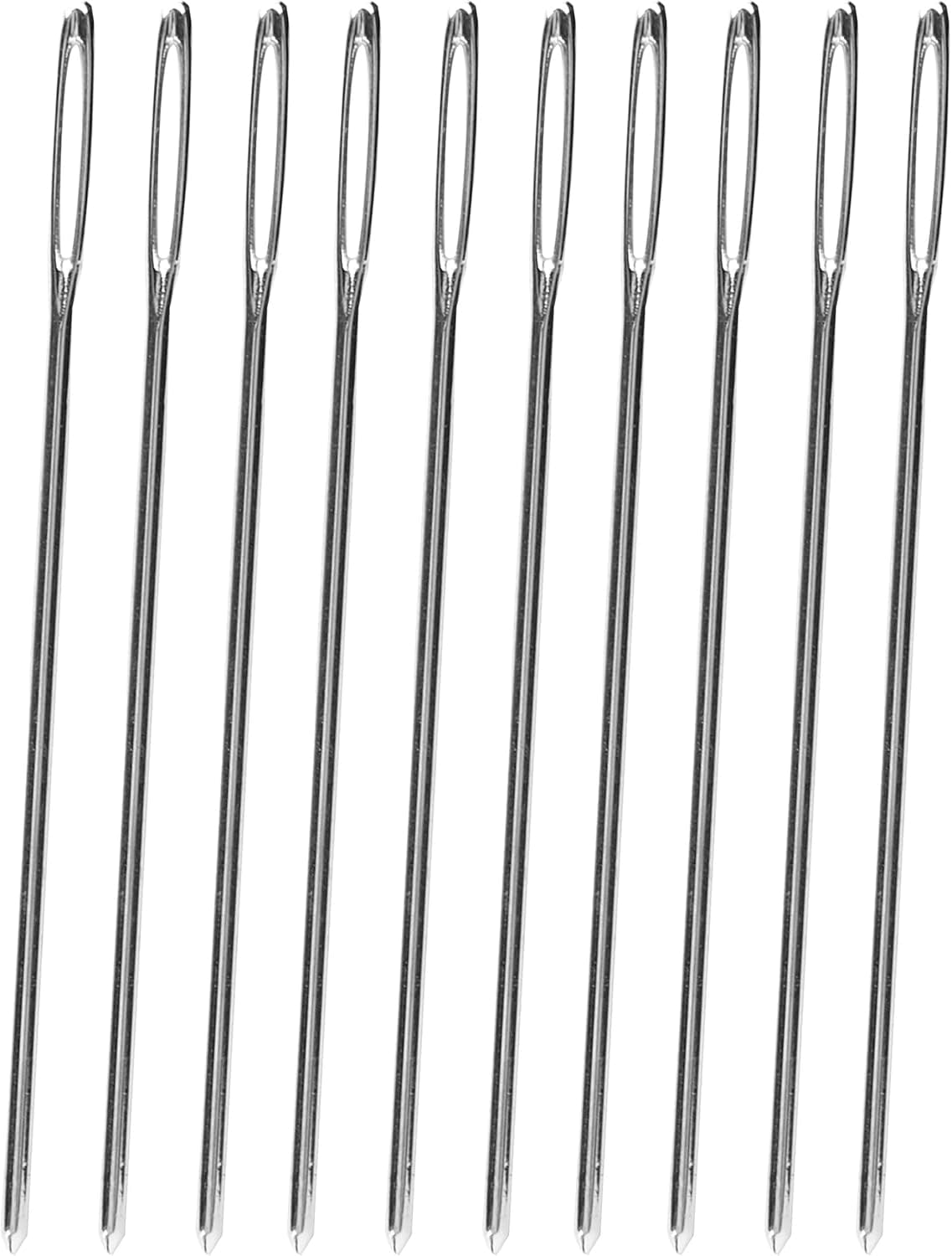
+ Size 0 (1/0) harness needle fits heavier waxed threads
From our guide: Best Leather Needles for Hand Stitching and Saddle Stitch
The structural difference is real, not romantic
The structural difference is real, not romantic. Hand saddle stitching passes two needles on one thread through each hole in opposite directions, so every stitch locks independently; sever the thread anywhere and the neighboring stitches hold, letting a worn seam survive until repair. A sewing machine physically cannot replicate this, because it would need to pass a free needle fully through the work; instead it makes a lockstitch, interlocking a top and bobbin thread inside the leather. Damage a lockstitch and the seam can run. For hard-use items like horse tack, sheaths, and heirloom goods, that failure behavior is why saddle stitch remains the standard.
The strength argument is narrower than it sounds
But the strength argument is narrower than it sounds. A quality lockstitch in bonded nylon or polyester is far stronger than most projects will ever test, and the vast majority of excellent commercial leather goods, including luxury bags at four-figure prices, are machine stitched in whole or part. Machines also enable constructions that are miserable by hand, like long gussets in soft chrome-tan and stitching through linings, foam, and zippers. Where machines genuinely struggle is at the extremes: very thick stacked veg-tan, tight decorative corners, and the specific slanted aesthetic of a hand-laid seam.
Economics decide more than engineering here
Economics decide more than engineering here. Hand stitching costs almost nothing to start, chisels, needles, and thread, but consumes time in quantity: a bag that machines in twenty minutes can take a dozen hours by hand. A leather-capable machine inverts that: cylinder-arm walking-foot machines start around the price of a good laptop and climb steeply, plus a real learning curve of tension tuning and practice. The break-even is volume. A hobbyist making gifts never needs the machine; a maker selling thirty bags a month cannot survive without one; small-batch makers often land in the middle, machining long structural seams and hand stitching visible details.
Appearance is the last honest difference
Appearance is the last honest difference. A saddle stitch made with diagonal holes lies at an angle, giving the classic slanted, slightly rope-like line that reads as handmade at a glance. Machine stitches sit straight and uniform, which reads as clean and commercial. Neither is superior, but they signal differently, and buyers of handmade goods often specifically want the signal of hand work, which is why hand stitched appears so prominently in product copy from small workshops.
For a beginner, the sequencing is clear
For a beginner the sequencing is clear: learn the saddle stitch first regardless of any machine ambitions. It requires almost no capital, teaches thread behavior and seam design, and remains the repair skill and detail skill even in machine-equipped shops. Add a machine when, and only when, the hours of stitching demanded by your output exceed the hours you have, because at that point the question was never hand versus machine; it was making versus not making.
Frequently asked questions
Is hand stitched leather stronger than machine stitched? For failure behavior, yes: a saddle stitch locks each stitch independently so a severed thread doesn't unravel the seam, while a machine lockstitch can run once damaged, though a quality lockstitch is still far stronger than most projects will test.
Is it worth buying a leather sewing machine as a hobbyist? Usually not; hand stitching costs almost nothing to start and a hobbyist making gifts never needs a machine, while makers selling in volume, like thirty bags a month, generally can't survive without one.
Why does hand stitched leather look different from machine stitched? A saddle stitch made with diagonal holes lies at an angle, giving a slanted, slightly rope-like line that reads as handmade, while machine stitches sit straight and uniform, reading as clean and commercial.
Should beginners learn hand stitching or buy a machine first? Learn the saddle stitch first regardless of machine ambitions, since it requires almost no capital, teaches thread behavior and seam design, and remains a repair and detail skill even in machine-equipped shops.
Popular right now
- Setting Rivets and SnapsArticle
- Best Pricking Irons for Clean, Slanted Saddle StitchesBuying guide
- Best Gum Tragacanth and Burnishing Agents for Leather EdgesBuying guide
- How to Dye Leather EvenlyArticle
- Choosing Your First Leather KnifeArticle
- How to Stop Leather Dye From Rubbing OffArticle
Based on the last 28 days of search and visitor data.