Buying Leather Online
Published How we research
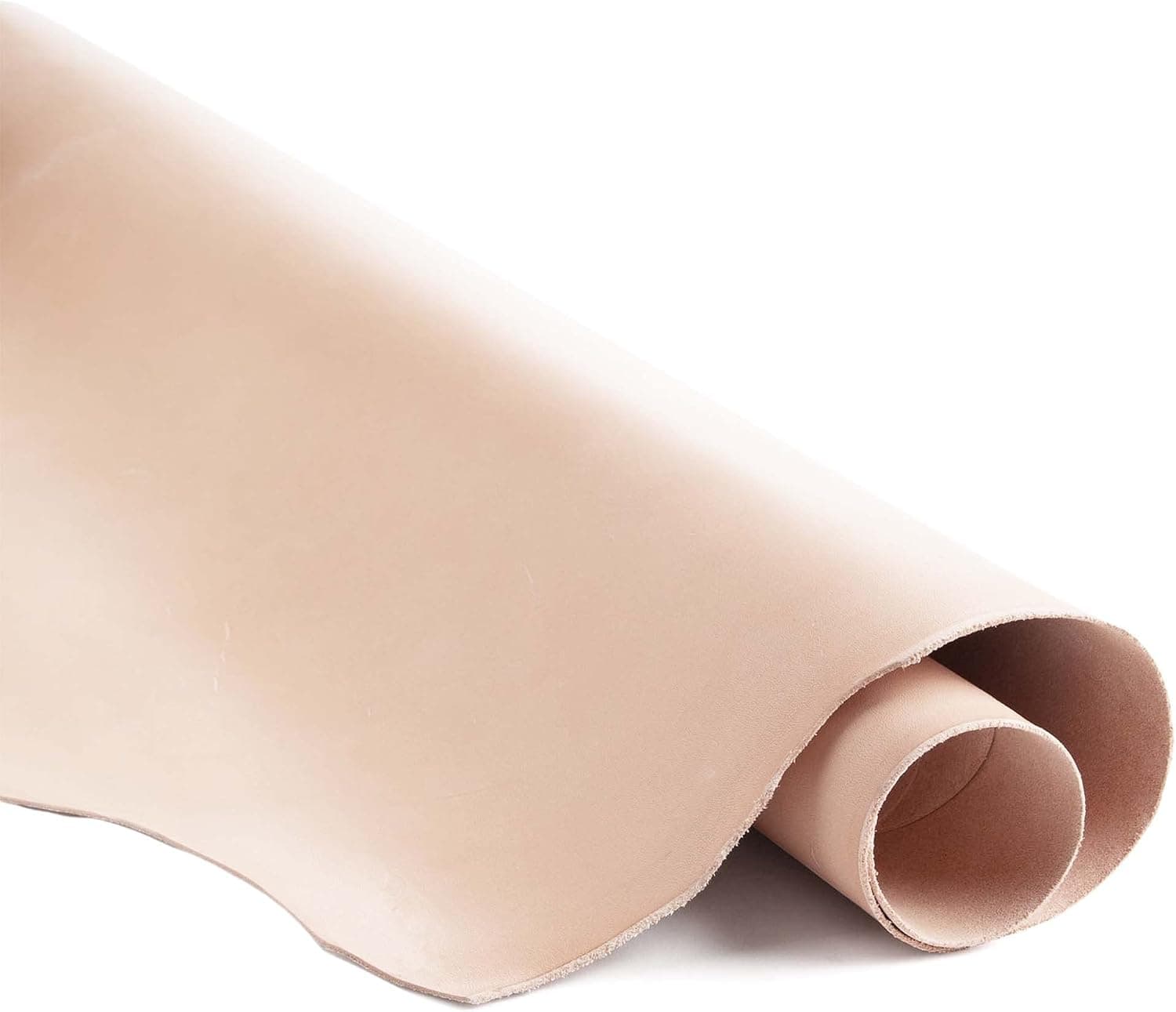
Buying leather without touching it feels like a gamble, and for newcomers it often is: the same photograph can represent a firm tooling shoulder or a floppy upholstery split, and marketing language does its best to blur the difference. But online buying is how most of the craft shops now, and it works reliably once you know which facts a listing must state and which phrases are warnings. The skill is reading listings the way the seller hopes you will not.
Products from this article
The highest-scoring picks from the buying guides this article links to. Scores are our editorial assessment, not customer ratings.
+ Springfield Leather is a long-standing leather supplier with steady stock
From our guide: Best Veg Tan Leather for Tooling, Carving, and Home Leathercraft
+ 1-1/2" width fits most standard belt buckles and jeans loops
From our guide: Best Leather Straps and Belt Blanks for DIY Belts, Collars, and Bags
+ 12"x24" size yields several sheaths or a full holster from one piece
From our guide: Best Veg Tan Leather for Tooling, Carving, and Home Leathercraft
+ 2-1/4" width gives room for bold tooled patterns and wide straps
From our guide: Best Leather Straps and Belt Blanks for DIY Belts, Collars, and Bags
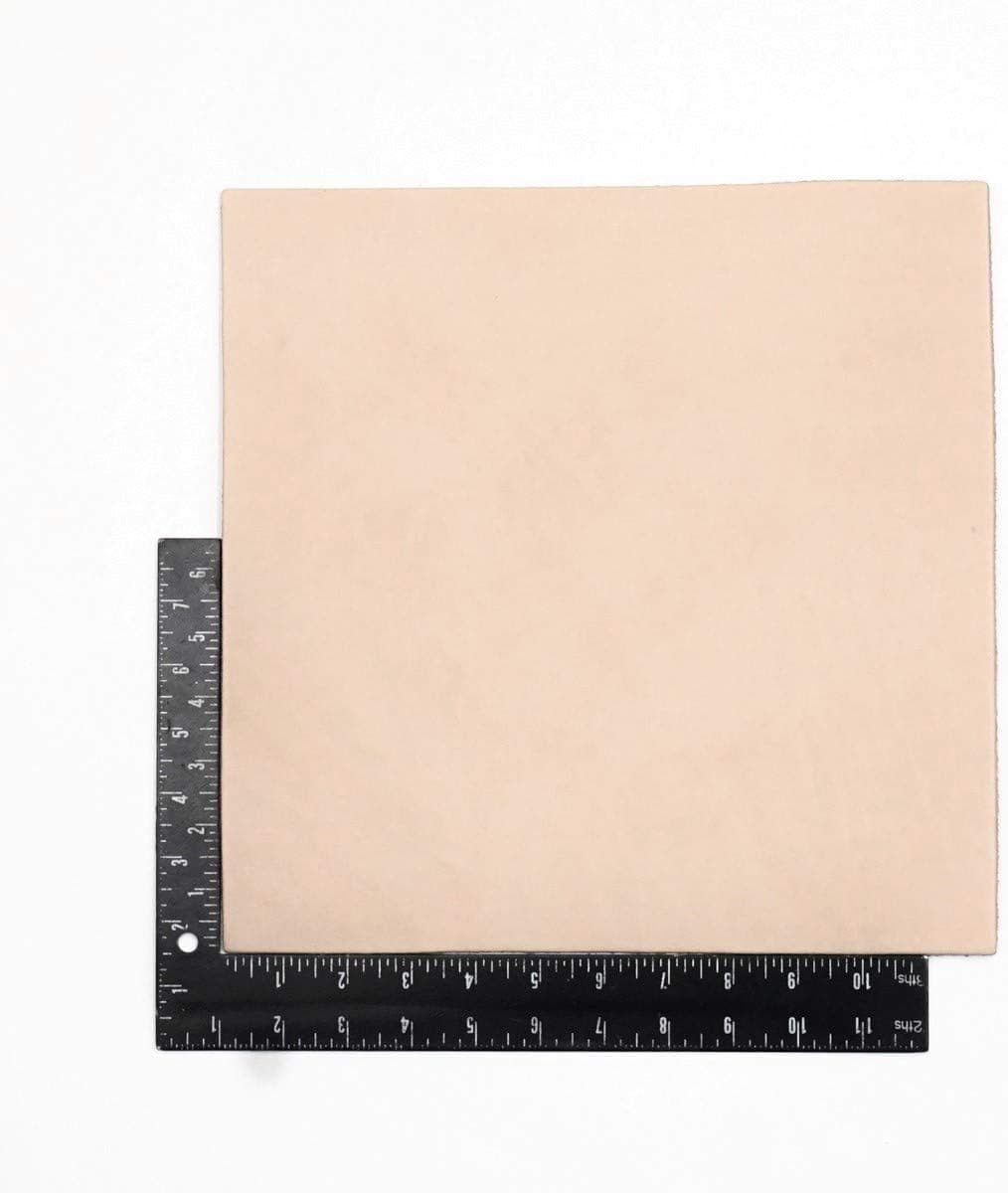
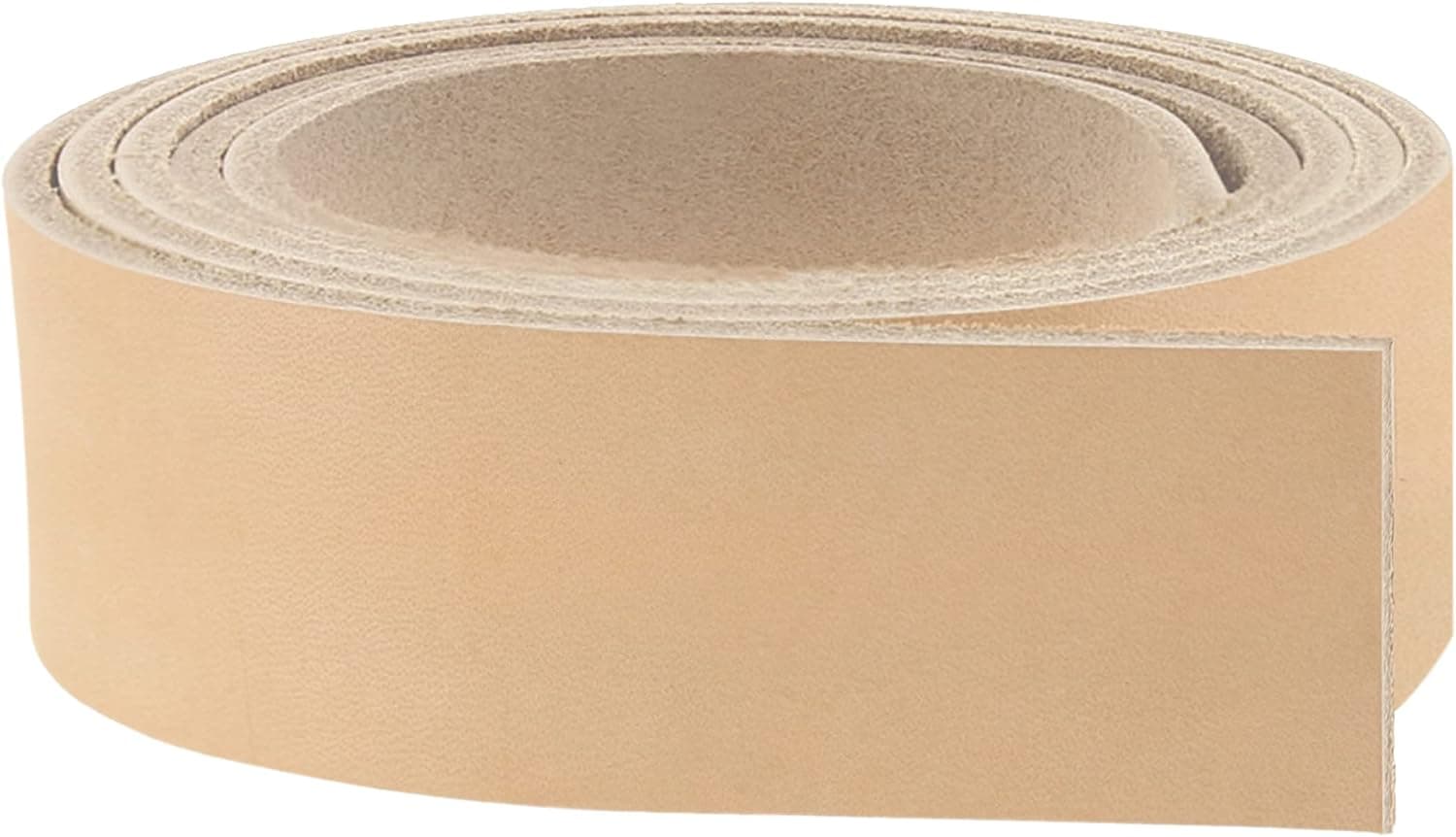
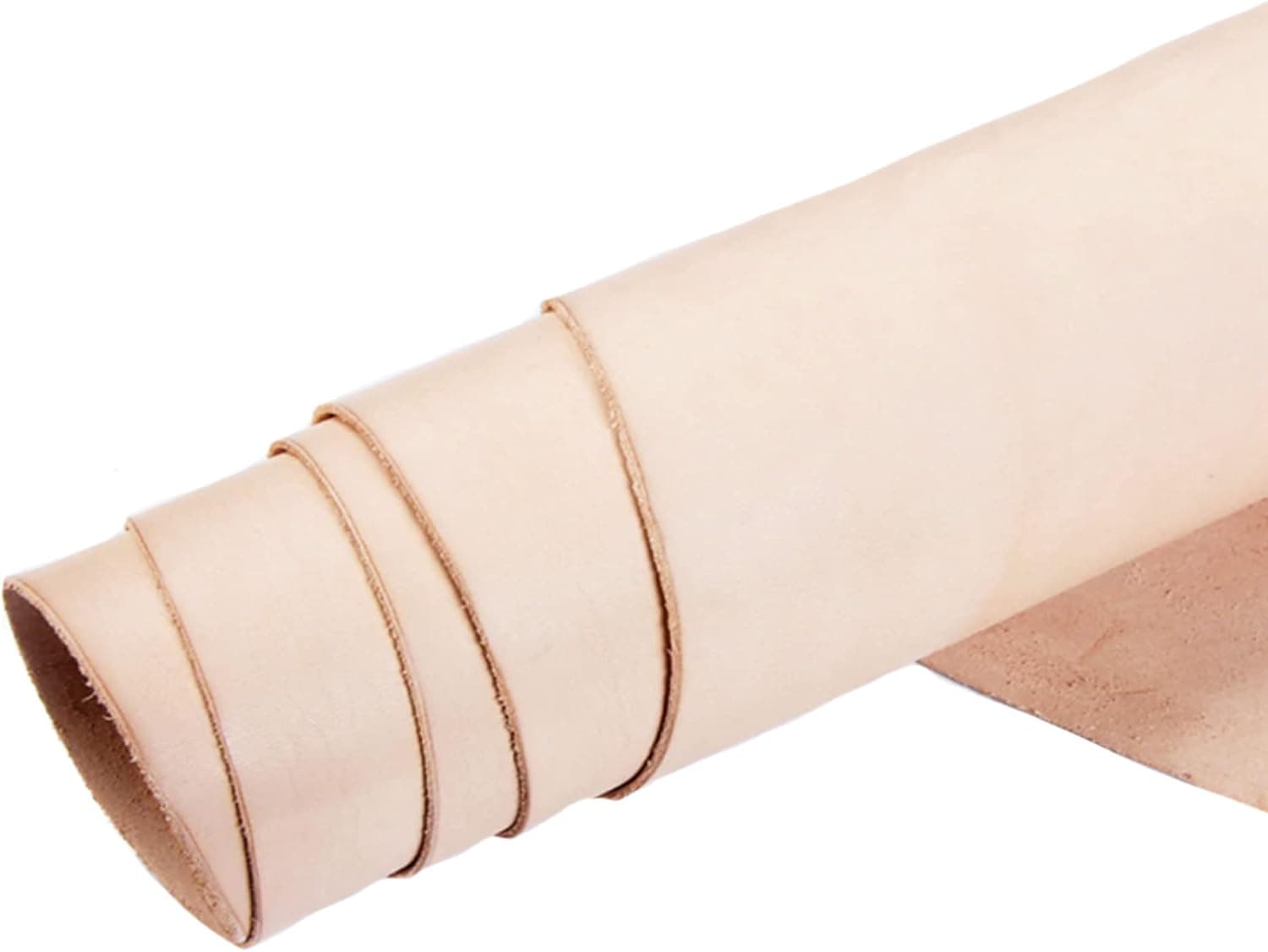
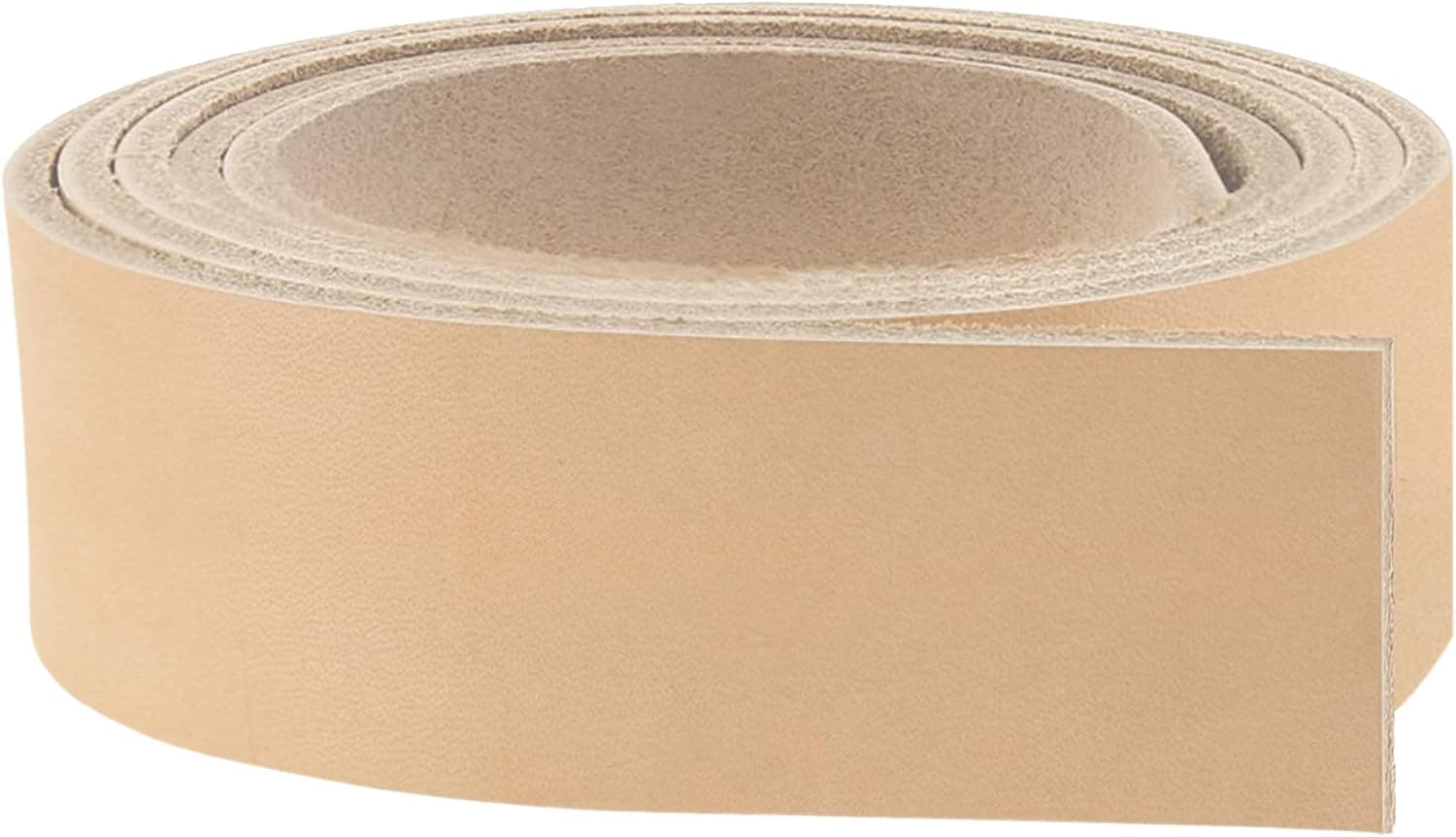
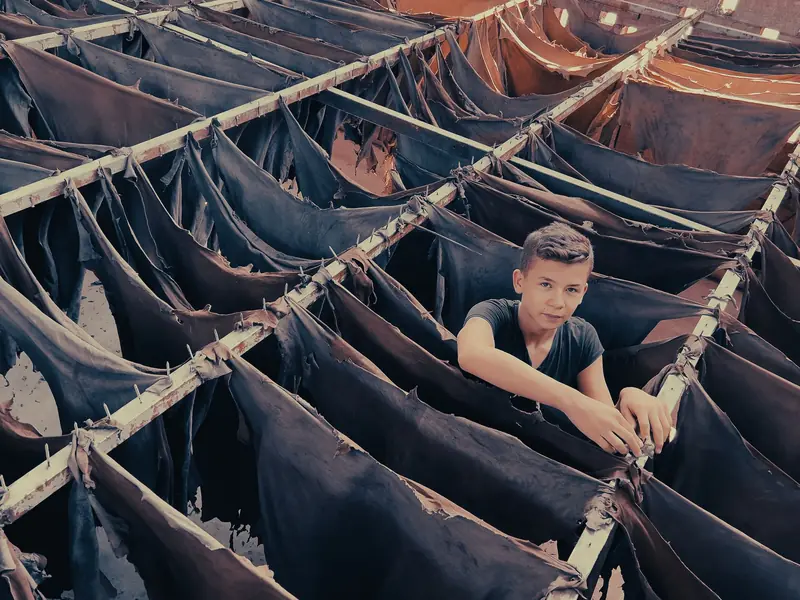
A trustworthy listing answers five questions directly: the tannage (vegetable, chrome, or combination), the weight range in ounces or millimeters, the temper (soft, medium, firm), the cut of the hide, and the surface type (full grain, top grain, corrected, or split). If any of these are missing, assume the answer is the cheaper one. The phrase genuine leather is the classic red flag, technically true of the lowest-grade material; likewise unbranded marketplace listings with studio photos and no tannage information sell disappointment at attractive prices. Established leathercraft suppliers, and tannery-direct sellers, publish these facts because their buyers demand them.
Understanding cuts saves real money. A side is half a hide and the economical bulk buy. A shoulder is firm and takes tooling beautifully, which is why beginner veg-tan is so often sold in shoulders. Backs and bends are the premium structural cuts for belts and straps, with dense fibers and minimal stretch. Bellies are the cheap, stretchy margins, fine for practice, molding experiments, and linings, wrong for anything that bears load. A beginner buying a modest double shoulder of 4-5 oz veg-tan gets the best learning material per unit of money in the entire market.
Scale traps catch everyone once. Hides are sold by the square foot, and a listing photo of a full side compresses fifteen or more square feet into a thumbnail, so defects that look tiny are hand-sized in reality. Read the grade description for how defects are counted, and expect honest natural marks, scars, brands, and range wire lines, on all but the priciest grades; cutting around them is normal practice, and listings usually quote usable area conservatively on reputable sites. Also check whether the quoted size is the whole piece or per unit when buying panels and straps.
Samples and swatches are the professional move that beginners skip. Many suppliers sell swatch cards or small panels of their core leathers for a few dollars, and one order of swatches calibrates your understanding of that supplier's weights, tempers, and colors permanently. Thereafter their listings become trustworthy data instead of marketing. It is the closest thing to touching the hide before buying, and it routinely prevents the expensive version of the mistake, a full side of leather that is beautiful and wrong for the project.
Finally, think in projects, not in bargains. A focused order, enough 4-5 oz veg-tan for the next three small projects, plus thread and hardware in one shipment, beats an opportunistic pile of clearance hides that fit no plan. Leather stores well but money stores better, and the scrap from well-chosen leather feeds practice for months. Buy from sellers who publish facts, start with shoulders and swatches, and online ordering quickly stops feeling like gambling at all.
Popular right now
- Setting Rivets and SnapsArticle
- Best Pricking Irons for Clean, Slanted Saddle StitchesBuying guide
- Best Gum Tragacanth and Burnishing Agents for Leather EdgesBuying guide
- How to Dye Leather EvenlyArticle
- Choosing Your First Leather KnifeArticle
- Hand Stitching vs Machine Stitching LeatherArticle
Based on the last 28 days of search and visitor data.