Caring for Finished Leather Goods
Published How we research
Leather is one of the few materials that can genuinely improve with age, but only if it gets the small amount of maintenance it asks for. The failure modes are predictable: leather dries out and cracks when its oils deplete, rots or molds when stored wet, and scratches or stains when unprotected. A care routine that prevents all three takes minutes per year per item, and it is the same routine whether the object is a handmade wallet or a factory briefcase.
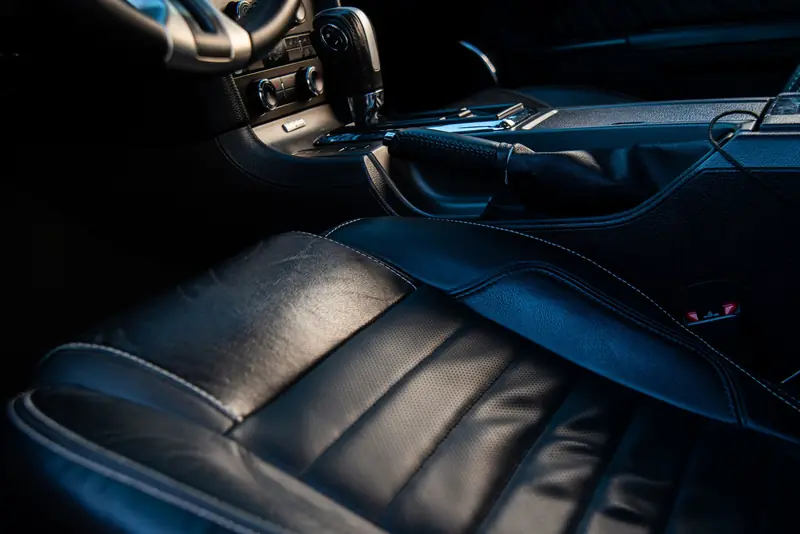
Cleaning comes first, and gentler is better. Routine care is nothing more than a wipe with a soft, barely damp cloth to lift dust and surface grime. For real dirt, work up a light lather of saddle soap or a dedicated leather cleaner on a damp cloth, sweep it over the surface without soaking, wipe clean, and let the piece dry naturally. Avoid alcohol wipes, household detergents, and baby wipes, which strip finishes and oils. On unfinished natural veg-tan, be even more conservative, since water alone can leave marks; test any cleaner somewhere hidden.
Conditioning replaces the oils that time, sun, and use pull out of the fibers. The signs of need are visual and tactile: the leather looks dull or lighter, feels stiff or papery, and shows faint surface lines when flexed. Apply a quality conditioner, neatsfoot oil for rugged veg-tan, or a balm of oils and waxes for finished goods, in a thin, even coat with a cloth, let it absorb for several hours, then buff off the excess. Twice a year suits most items in regular use; a belt worn daily may want more, a stored bag less. Over-conditioning is the beginner error here, leaving goods greasy, darkened, and limp, so always start with less than seems necessary.
Water is not the catastrophe people fear, but it needs the right response. When leather gets soaked, blot it, stuff bags with paper to hold shape, and let it dry slowly at room temperature, never on a radiator or with a hair dryer, because fast heat is what turns wet leather stiff and cracked. Once fully dry, condition it, since water carries oils out as it evaporates. For prevention, a wax-based protector adds meaningful resistance for boots and bags that live outdoors, while a light silicone-free spray suits items where changing the surface feel is unwelcome.
Storage is the silent killer of leather goods that otherwise get everything right. Leather wants moderate humidity, airflow, and darkness: a dust bag or pillowcase in a closet is ideal. Plastic containers trap moisture and breed mold; direct sunlight bleaches and dries; damp basements do both kinds of damage at once. Stuff bags so they hold shape, hang or roll belts rather than folding them tightly, and never store leather touching rubber or PVC, which can transfer plasticizers and stain permanently.
Finally, embrace the difference between damage and character. Scratches on waxy pull-up leathers rub out with a fingertip and a little friction; scuffs on veg-tan blend into the patina with conditioning and time. What cannot be reversed is cracking from years of neglect, which is structural failure of dried-out fibers. The whole game of leather care is simply never letting the material reach that point, and the routine above, cleaning gently, conditioning sparingly, drying slowly, storing breathably, gets any piece there with room to spare.
Popular right now
- Setting Rivets and SnapsArticle
- Best Pricking Irons for Clean, Slanted Saddle StitchesBuying guide
- Best Gum Tragacanth and Burnishing Agents for Leather EdgesBuying guide
- How to Dye Leather EvenlyArticle
- Choosing Your First Leather KnifeArticle
- Hand Stitching vs Machine Stitching LeatherArticle
Based on the last 28 days of search and visitor data.