Choosing Waxed Thread for Leatherwork
Published How we research
Thread seems like an afterthought until the first time a seam looks wrong and you cannot say why. Nine times out of ten the answer is thread size: too thick for the stitch spacing and the seam looks like rope glued to the surface, too thin and the stitching disappears into the holes. Choosing thread is really three decisions, material, size, and color, and each one is simpler than the catalog pages suggest.
Products from this article
The highest-scoring picks from the buying guides this article links to. Scores are our editorial assessment, not customer ratings.
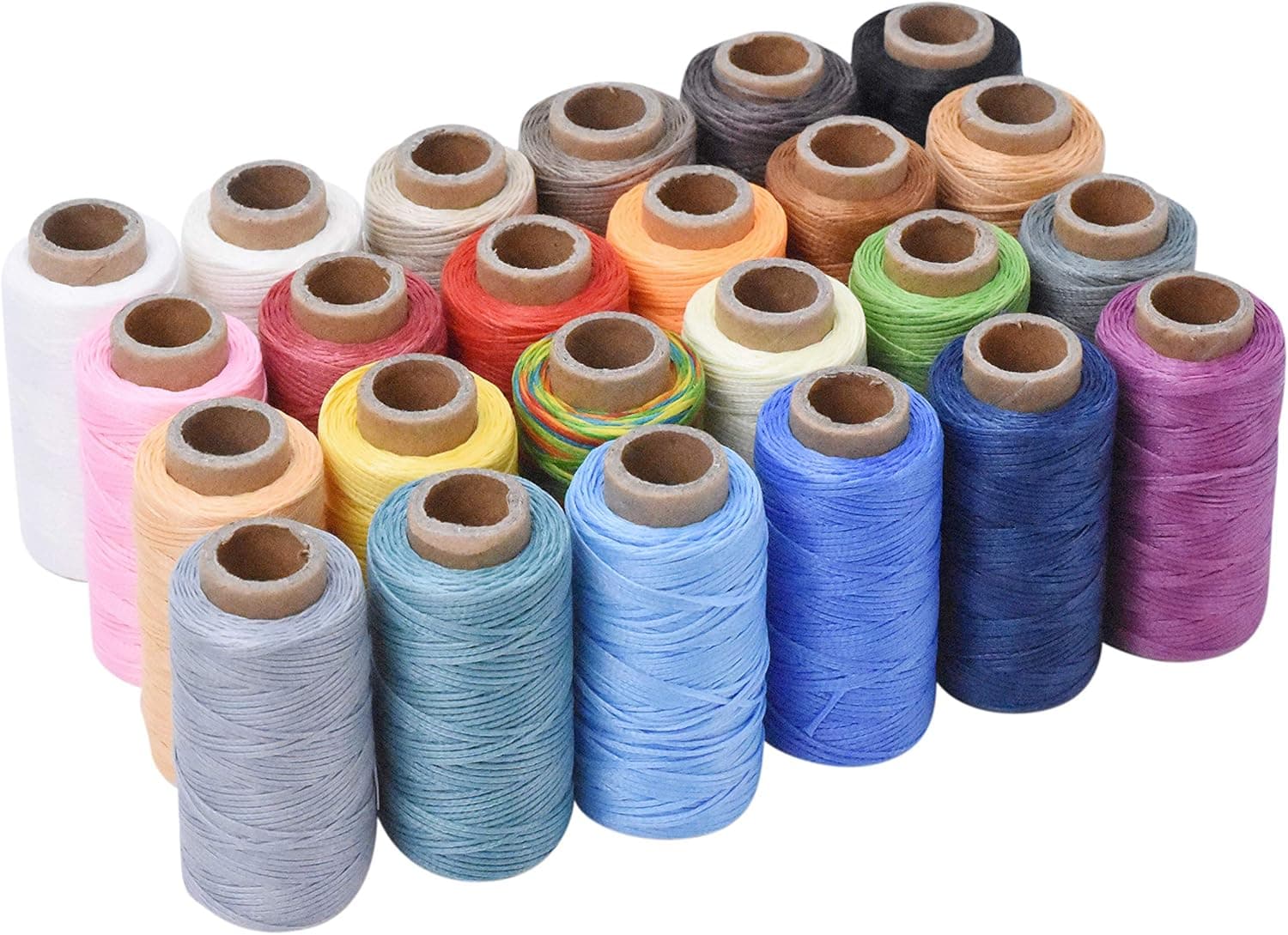
+ 24 colors let you match or contrast every leather shade
From our guide: Best Waxed Thread for Leather Stitching
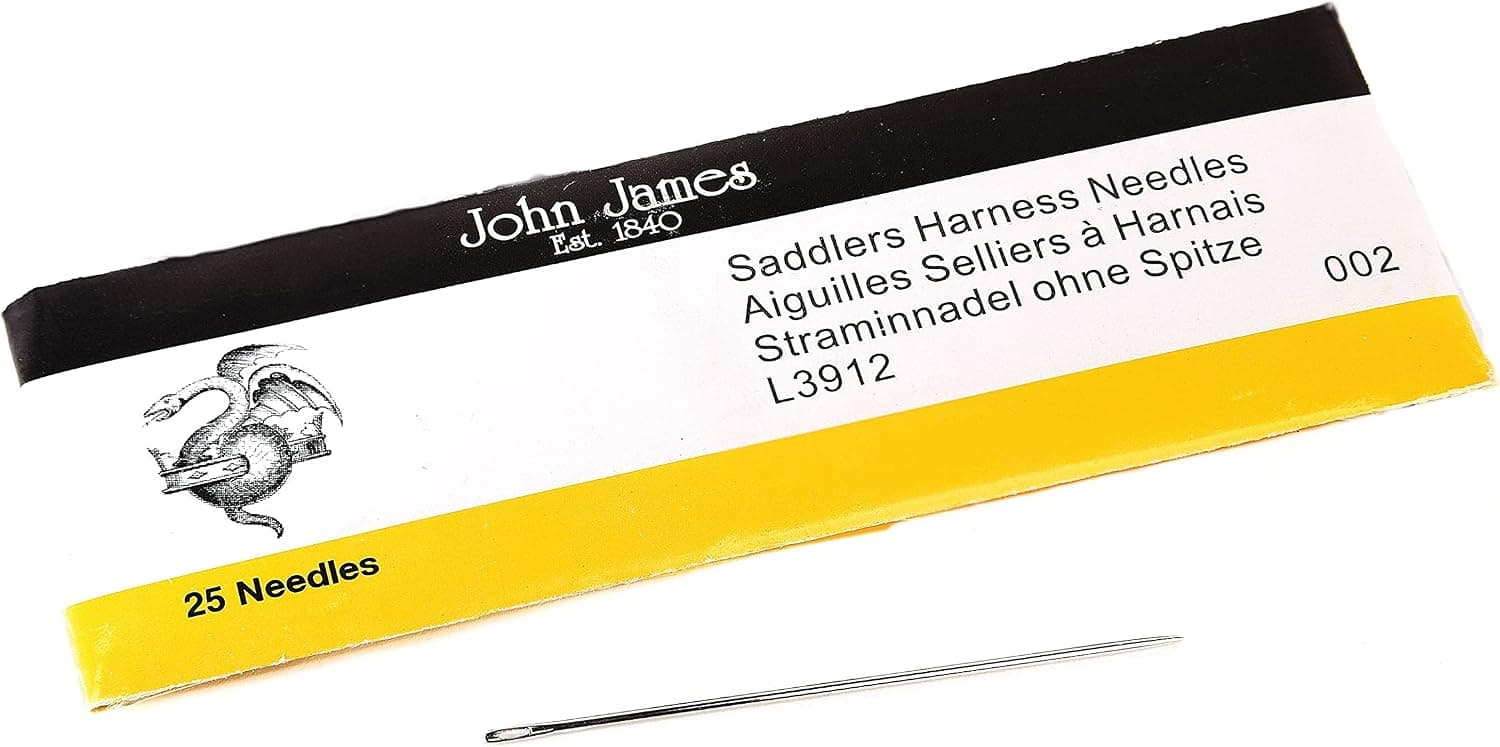
+ John James is a classic English needle maker
From our guide: Best Leather Needles for Hand Stitching and Saddle Stitch
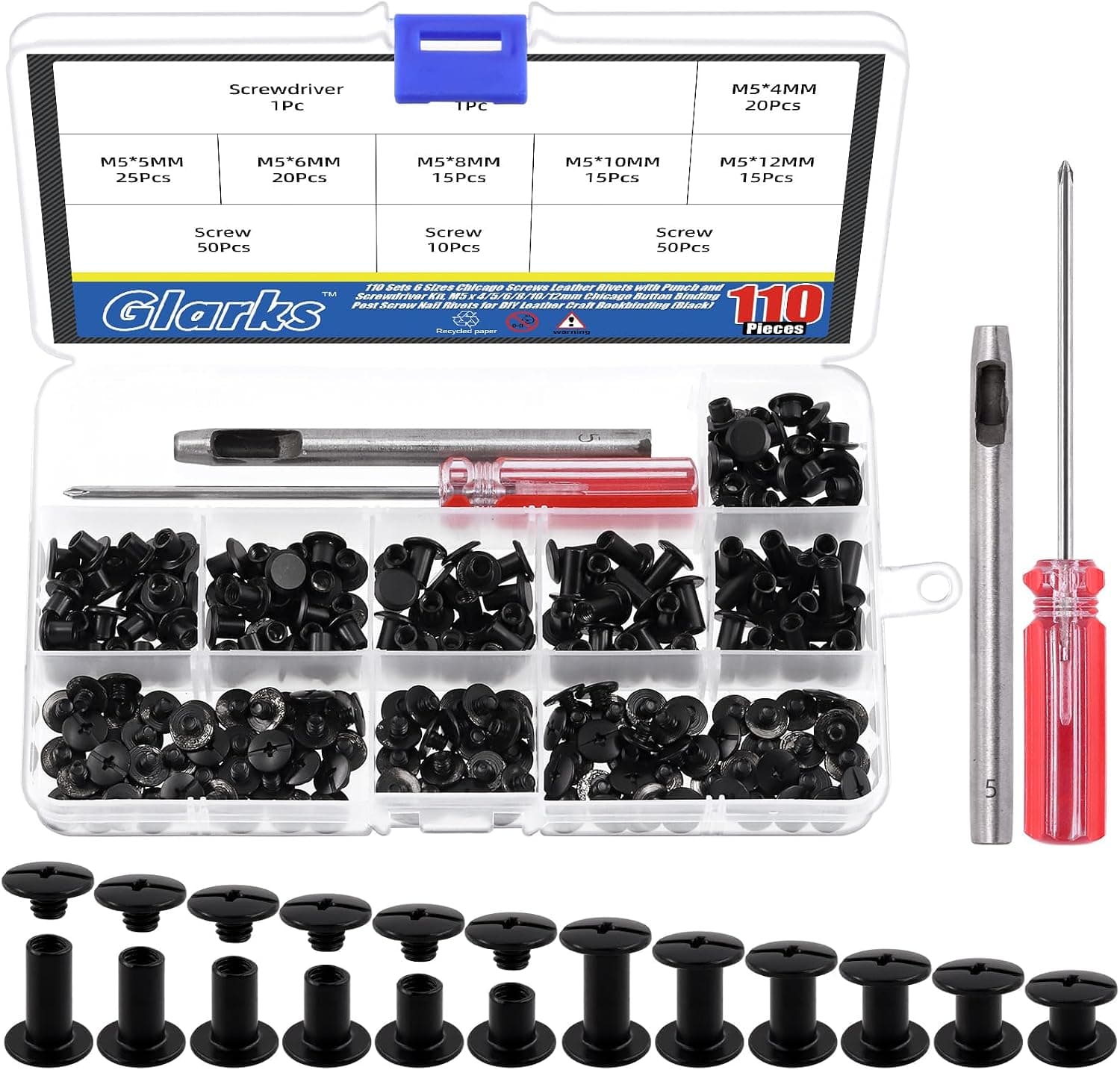
+ Punch and screwdriver included for full installation
From our guide: Best Chicago Screws for Leather Projects
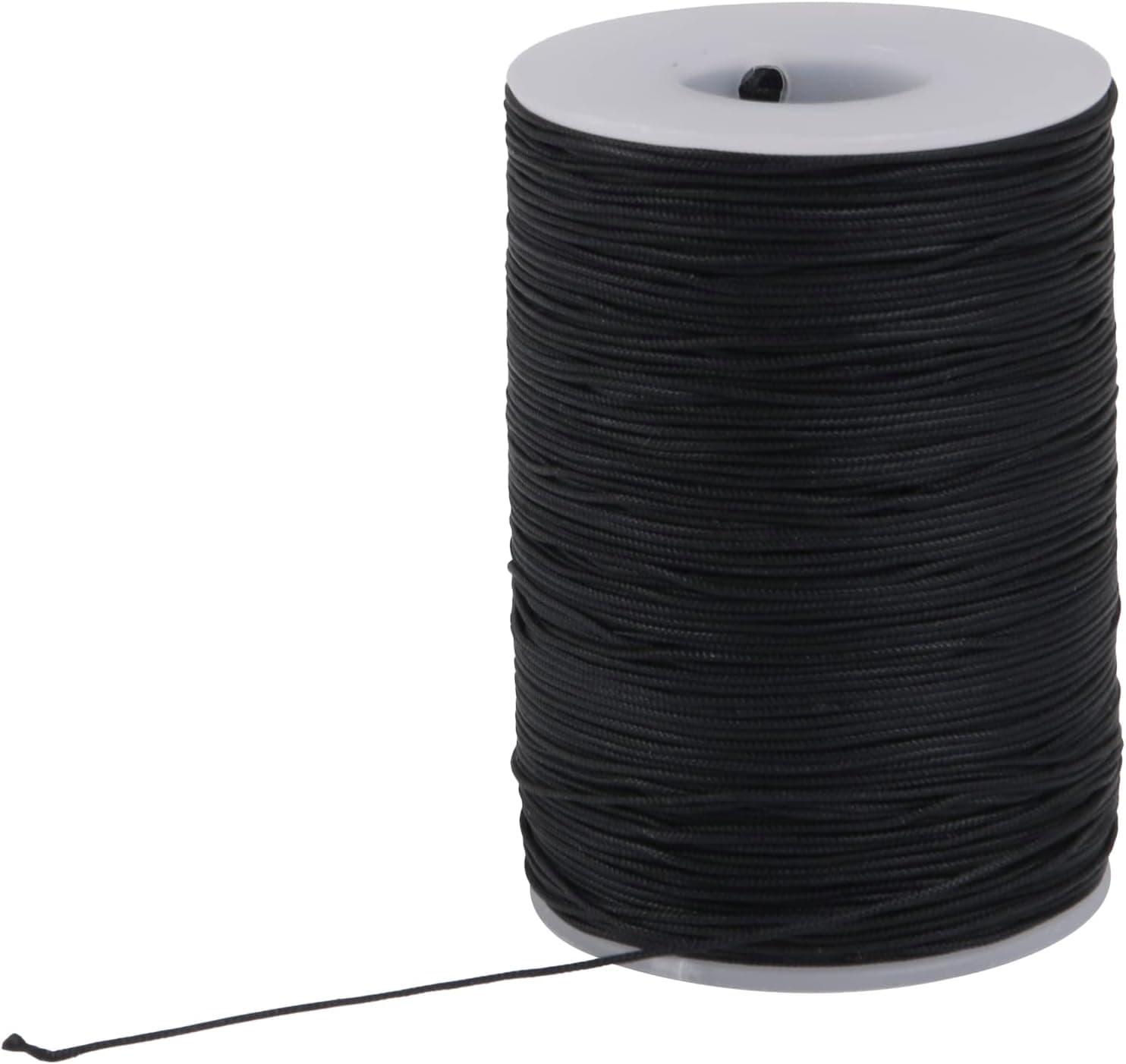
+ 273 Yds supply a long run of projects in one color
From our guide: Best Waxed Thread for Leather Stitching
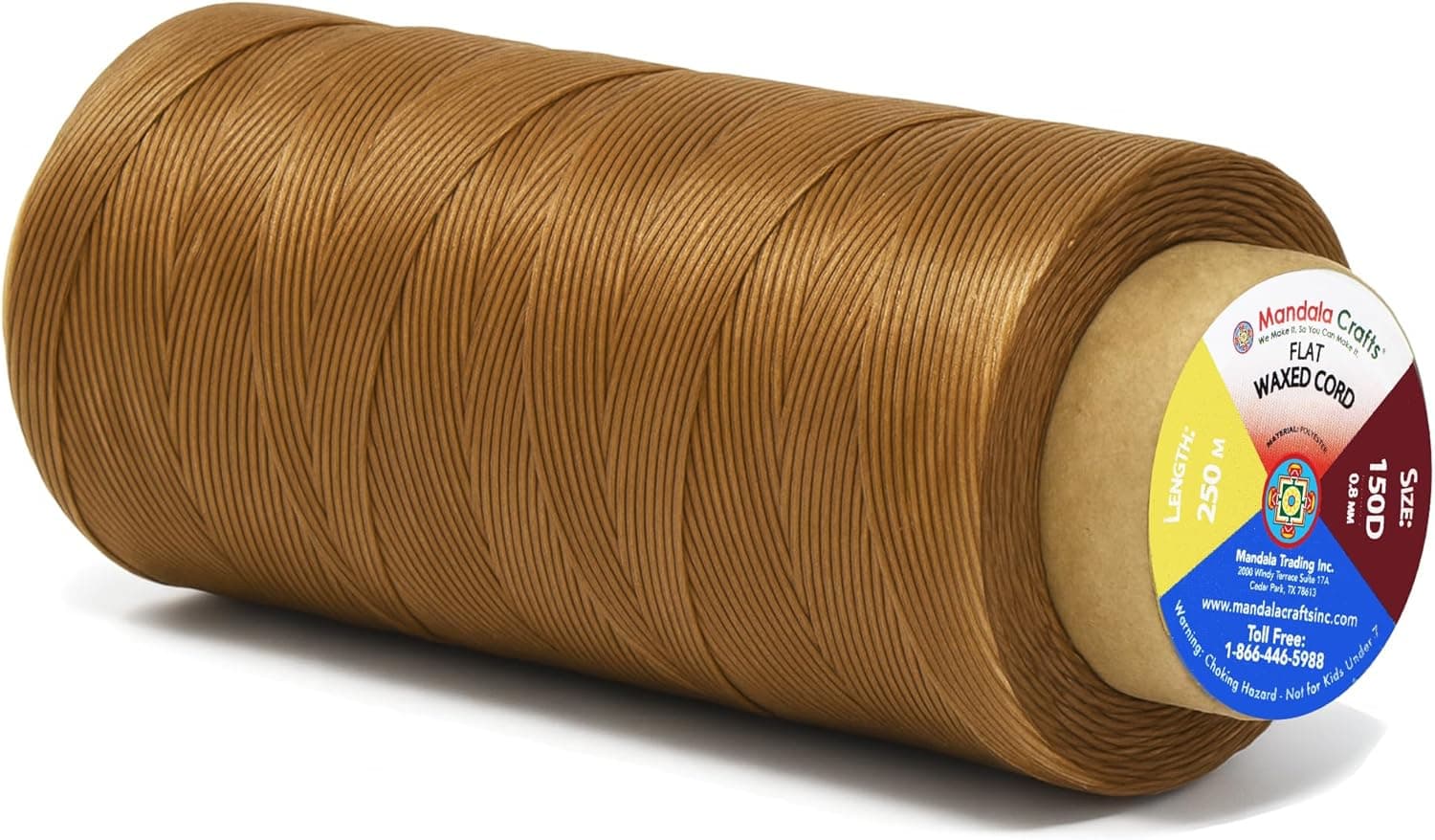
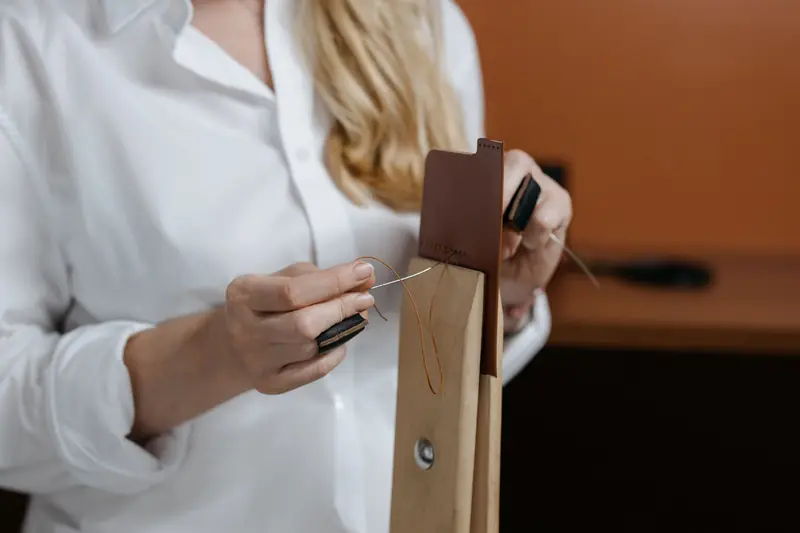
Material first. Modern hand stitching runs overwhelmingly on polyester, either flat braided or twisted, sold pre-waxed under many brand names. Polyester is strong, rot-proof, UV-resistant, colorfast, and cheap, and the wax coating helps it grip itself so stitches stay tight. The traditional alternative is linen, which purists love for its matte, period-correct look and the way it beds into leather over time; its downsides are lower strength for a given size and vulnerability to rot if it loses its wax. For anything utilitarian, polyester is the default, and linen is an aesthetic choice you earn later.
Size is where beginners actually go wrong. Flat braided poly threads are commonly sold by width in millimeters, and a practical map looks like this: 0.45 mm suits card wallets, watch straps, and fine small goods; 0.55 mm is the versatile middle weight for wallets, pouches, and most bags; 0.65 mm suits bag gussets, thick wallets, and general heavy small goods; 0.8 mm and up belongs on belts, sheaths, and rustic work where the stitching is a visual feature. Twisted threads sized in denominations like M40 or by ticket number map roughly onto the same territory, with vendor charts bridging the systems.
Thread size and stitching chisel spacing are a coupled system. Wide 5 mm spacing swallows thin thread and looks gappy, while fine 3 mm spacing chokes on thick thread and tears the leather bridges between holes. Reliable pairings: 3 to 3.4 mm spacing with 0.45 mm thread, 3.85 to 4 mm spacing with 0.55 mm, and 4.5 to 5 mm spacing with 0.65 to 0.8 mm. If you buy one chisel set and two spools, make it 3.85 mm with 0.45 and 0.55 mm thread; that combination covers the vast majority of small goods handsomely.
Color choice splits into two philosophies. Tonal thread, matched close to the leather, makes the object read as a unified whole and mercifully hides small stitching errors. Contrast thread, white on navy, yellow on brown, turns the stitch line into the main design element and advertises every irregularity. There is no wrong answer, but there is a wrong time: save high-contrast thread for after your stitch rhythm produces consistent slant and tension, because contrast stitching is a spotlight.
A note on wax and finishing: pre-waxed poly needs no additional waxing, and its ends finish cleanly with a close trim; a tiny melted dot from a lighter is optional on poly and impossible on linen, which gets tucked and trimmed instead. Buy from leathercraft suppliers rather than generic marketplaces where sizes are optimistic fictions, start with a neutral beige, a brown, and a black, and add colors as projects demand them. Good thread is one of the cheapest components in the craft, so this is not the place to economize.
Popular right now
- Setting Rivets and SnapsArticle
- Best Pricking Irons for Clean, Slanted Saddle StitchesBuying guide
- Best Gum Tragacanth and Burnishing Agents for Leather EdgesBuying guide
- How to Dye Leather EvenlyArticle
- Choosing Your First Leather KnifeArticle
- Hand Stitching vs Machine Stitching LeatherArticle
Based on the last 28 days of search and visitor data.