How to Clean a Leather Jacket at Home: Safe Steps for Smooth and Suede Finishes
Published How we research
To clean a leather jacket, wipe it with a soft cloth dampened with plain water or a mild leather cleaner, work in small areas, blot instead of scrubbing, and let it air dry away from heat. Smooth finished leather tolerates this well. Suede and nubuck need a dry brush and a special eraser instead of liquids. Always test any product on a hidden spot first, such as the inside of a hem. A light conditioner afterward replaces some of the moisture that cleaning removes. The sections below cover identifying your leather, the steps, spot treatment, drying and storage.
Products from this article
The highest-scoring picks from the buying guides this article links to. Scores are our editorial assessment, not customer ratings.
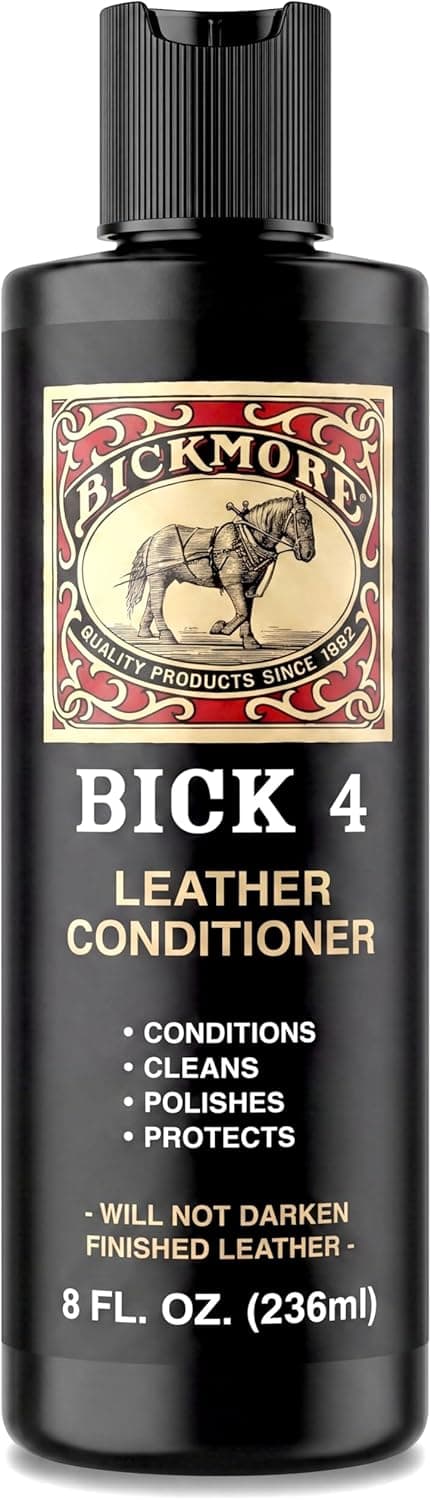
+ Listed as won't darken, so light leather keeps its tone
From our guide: Best Leather Cleaners for Every Type of Leather
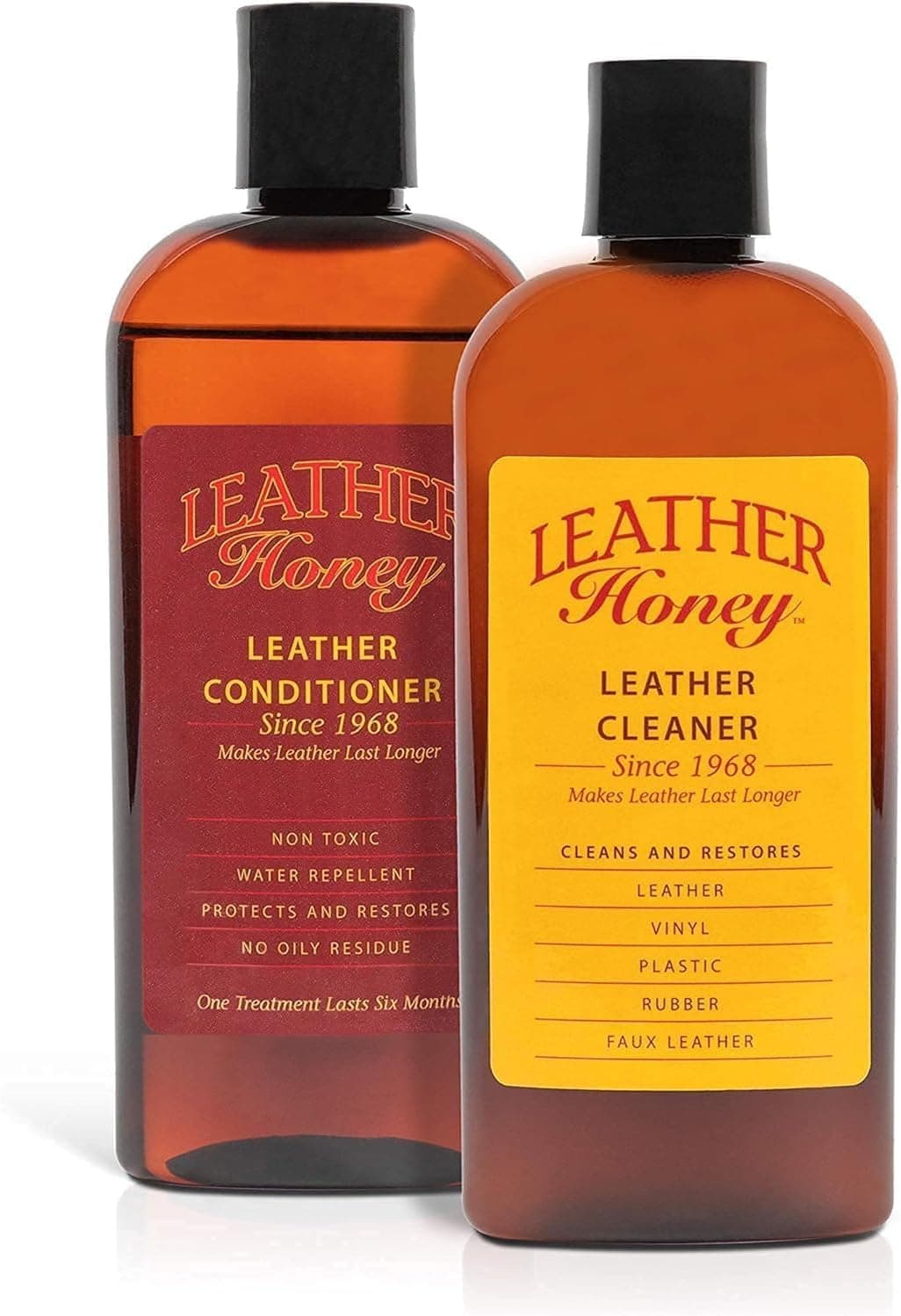
+ Kit pairs cleaner and conditioner for a full care routine
From our guide: Best Leather Conditioners to Restore and Protect Your Gear
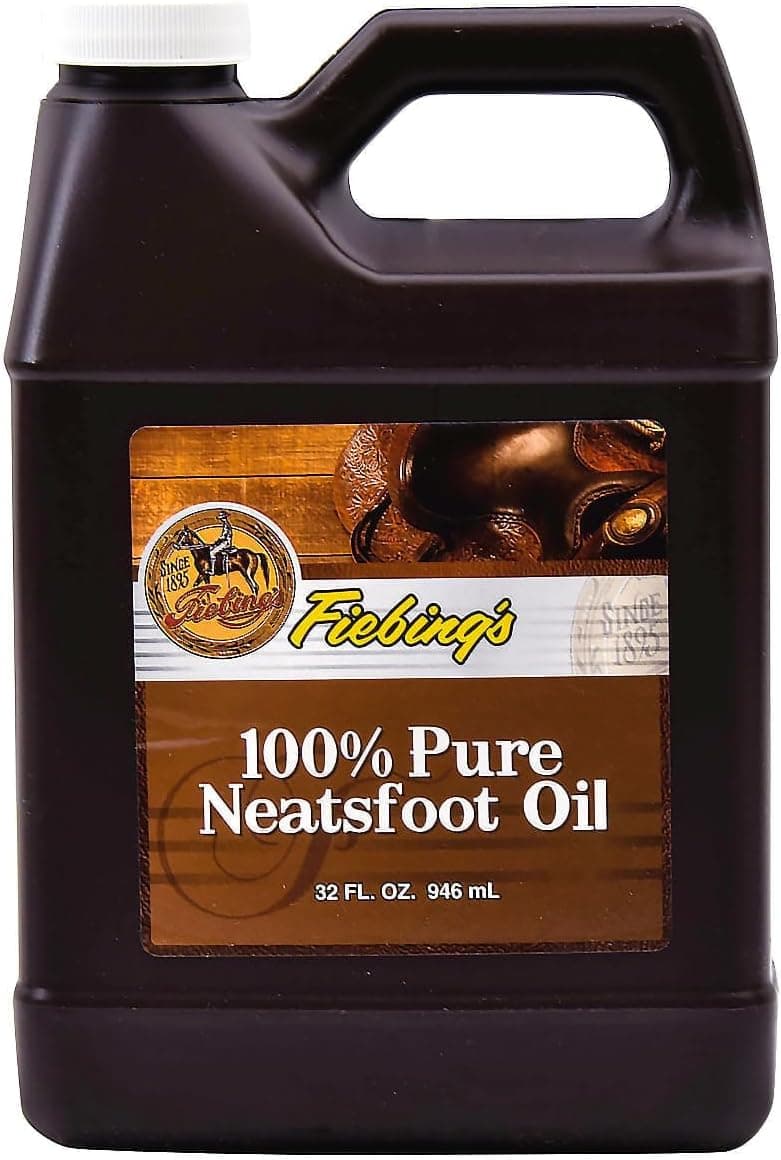
+ 32oz supply is great value for pure neatsfoot oil
From our guide: Best Leather Oils: Neatsfoot, Mink, and Modern Blends Compared
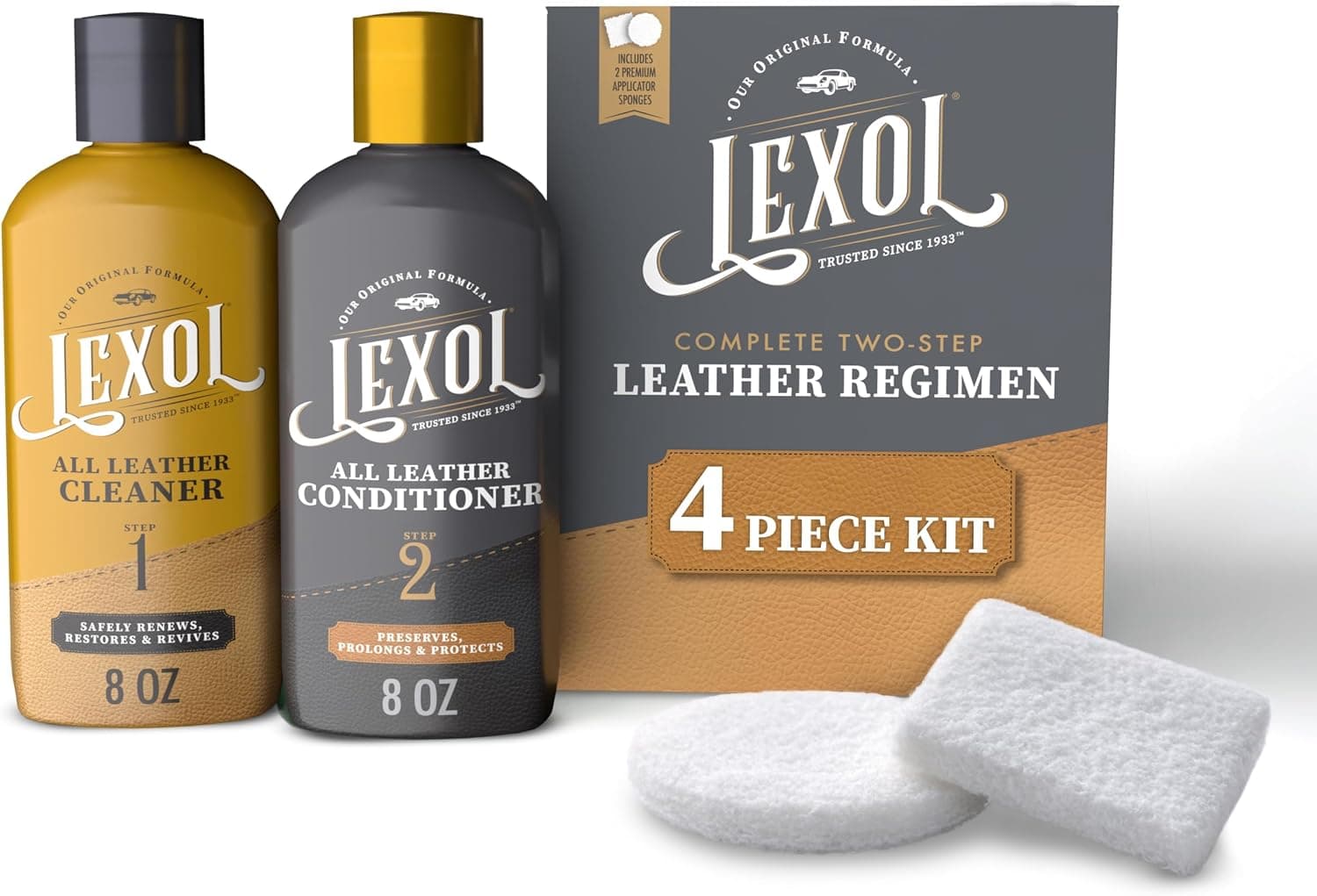
+ Two-step system cleans before conditioning
From our guide: Best Leather Cleaners for Every Type of Leather
Check what kind of leather you have first
Before touching the jacket with anything wet, look at the care label and at the surface. Smooth, slightly glossy leather with a protective topcoat is the easiest to clean and handles a damp cloth. Matte, napped leather such as suede or nubuck has a velvety surface that water can darken and mat. Oil tanned or waxed jackets hold a lot of finishing oil and can show water marks if wiped carelessly.
If there is no label, put one drop of water on an inside seam allowance. If it beads up or sits on top for a minute, the surface is sealed. If it soaks in and leaves a dark spot, treat the jacket as unfinished or napped leather and use the dry methods further down. When in doubt, a professional leather cleaner is a safer choice than guessing.
What to gather before you start
You need very little: two or three clean microfiber cloths, a soft brush, a bowl of lukewarm water, a mild pH balanced leather cleaner or a small amount of gentle soap, and a leather conditioner. A padded hanger helps keep the shoulders in shape while you work. Remove everything from the pockets and brush off loose dust first so you do not grind it into the surface.
Avoid household cleaners, vinegar blends, baby wipes, alcohol wipes and anything with bleach or strong solvents. These can strip color and the protective finish, which leaves pale patches that are hard to fix. Work in a well lit room so you can spot streaks early.
Step by step cleaning of smooth leather
Dampen a cloth with lukewarm water and wring it until it is barely wet. Wipe the jacket in sections, following the grain and the panel seams, starting at the top. Rinse the cloth often. Dirt around collars, cuffs and the lower front edge is usually heaviest, so give those areas a second gentle pass instead of pressing harder.
For a deeper clean, apply a small amount of leather cleaner to a cloth, not directly to the jacket, and work it in with light circles. Wipe off residue with a second cloth that is slightly damp. Do not soak the leather. Water that sits on the surface can leave rings, and too much moisture can stiffen the hide as it dries.
Treating spots, marks and suede
Fresh grease marks sometimes respond to a dusting of cornstarch or talcum powder left on for several hours and then brushed off, though results vary and a stubborn stain may need a professional. Ink and dye transfer are harder, and rubbing often spreads them. If a mark matters to you, a leather specialist can usually do more than home attempts.
Suede and nubuck should stay dry. Brush the nap gently in one direction with a suede brush, then lift shiny or dirty patches with a suede eraser or a clean pencil eraser. A light misting from a protector spray made for napped leather can help repel future marks. Do not use liquid conditioner on suede.
Drying the jacket the right way
Hang the jacket on a wide, padded hanger in a room with normal temperature and some airflow. Keep it away from radiators, hair dryers, direct sun and car heaters. Fast heat pulls oils out of the leather and can cause shrinking, cracking and a stiff feel. Stuffing the sleeves with clean paper towels or a rolled towel helps hold their shape.
Let it dry for at least a day, longer if it got damp through. If it feels a little stiff afterward, that is normal because cleaning removes some surface oils. Flex the leather gently with your hands, working the elbows and shoulders, and move on to conditioning.
Conditioning and how often to clean
Once the jacket is fully dry, rub a thin layer of conditioner into the smooth leather with a clean cloth, wait about fifteen minutes and buff off the excess. Use less than you think you need, because too much can darken the color or leave a tacky feel. Test on a hidden area first, since some conditioners change shade slightly.
Most jackets only need a full wipe down once or twice a year, plus a quick brush or damp wipe after heavy wear. Over cleaning is a bigger risk than under cleaning. For daily care, hang the jacket after wearing, avoid packing it into tight spaces and let it breathe between uses.
Storing a leather jacket between seasons
Store the jacket on a broad hanger in a breathable cotton garment bag, not plastic. Plastic traps moisture and can encourage mildew. Pick a closet that stays cool and dry, away from attics, damp basements and sunny windows.
Give the jacket some space so the leather is not crushed by other clothing, and check it once in a while. If you notice a musty smell, air it outdoors in the shade for a few hours. Good storage makes the next cleaning much easier.
Common mistakes to avoid
The most frequent errors are using too much water, scrubbing hard, drying with heat and skipping the hidden spot test. Each one can leave water rings, faded patches or stiff leather that is difficult to correct afterward.
Another mistake is conditioning a dirty jacket, which seals grime in. Clean first, let it dry, then condition lightly. If the jacket is vintage, heavily distressed or has a lining you cannot remove, professional cleaning is often the safer route.
Popular right now
- Setting Rivets and SnapsArticle
- Best Pricking Irons for Clean, Slanted Saddle StitchesBuying guide
- Best Gum Tragacanth and Burnishing Agents for Leather EdgesBuying guide
- How to Dye Leather EvenlyArticle
- Choosing Your First Leather KnifeArticle
- Hand Stitching vs Machine Stitching LeatherArticle
Based on the last 28 days of search and visitor data.