Leather Patina and Aging
Published How we research
Patina comes from UV light oxidizing tannins, skin oils darkening handled areas, and friction polishing the grain, effectively keeping a diary of the leather's use. Natural veg-tan patinas dramatically within months, while heavily pigmented chrome-tan barely changes since its color is a coating, not the hide itself. Makers should warn buyers that raw veg-tan looks radically different in a year, and choose dyes and thread that will age gracefully alongside it. Accelerating patina with indirect sunlight and light oiling is honest; what ages badly is neglect, since dried-out leather cracks and mold stains permanently rather than developing character. Patina is the word leather people use for the way good leather transforms with use: darkening, developing shine in handled areas, and accumulating a depth of tone that new material simply does not have. It is the reason a ten-year-old veg-tan bag can be worth more to its owner than the day it was bought, and it is also a genuinely useful concept for a maker, because design choices at the bench determine whether a piece will age into beauty or just look worn out.
Products from this article
The highest-scoring picks from the buying guides this article links to. Scores are our editorial assessment, not customer ratings.
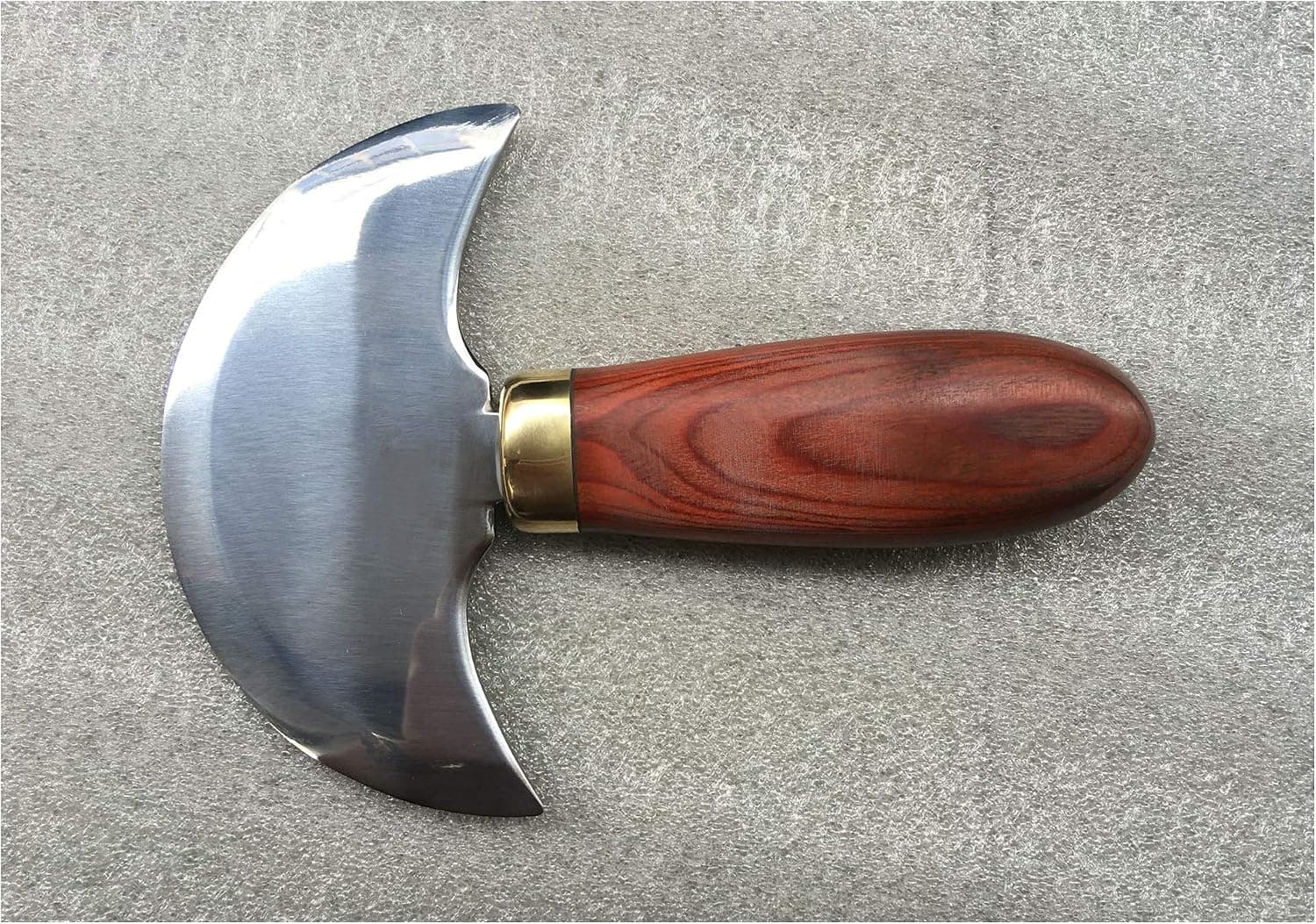
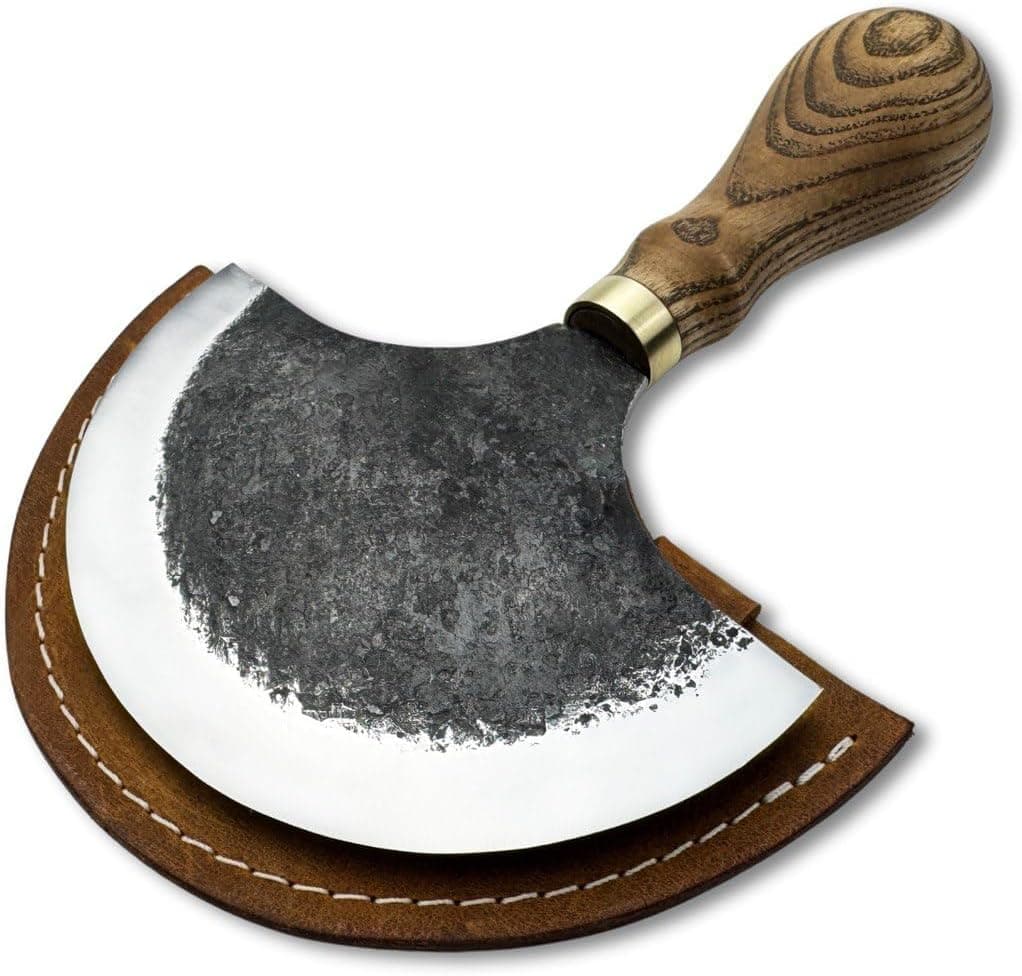
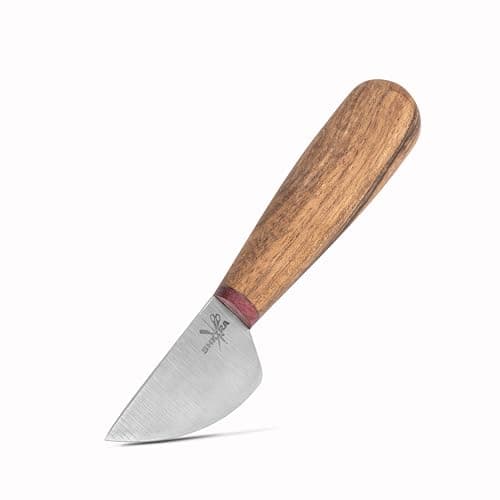
+ Compact 4.1 in blade gives precise control on small goods
From our guide: Best Round Knives and Head Knives for Leatherwork
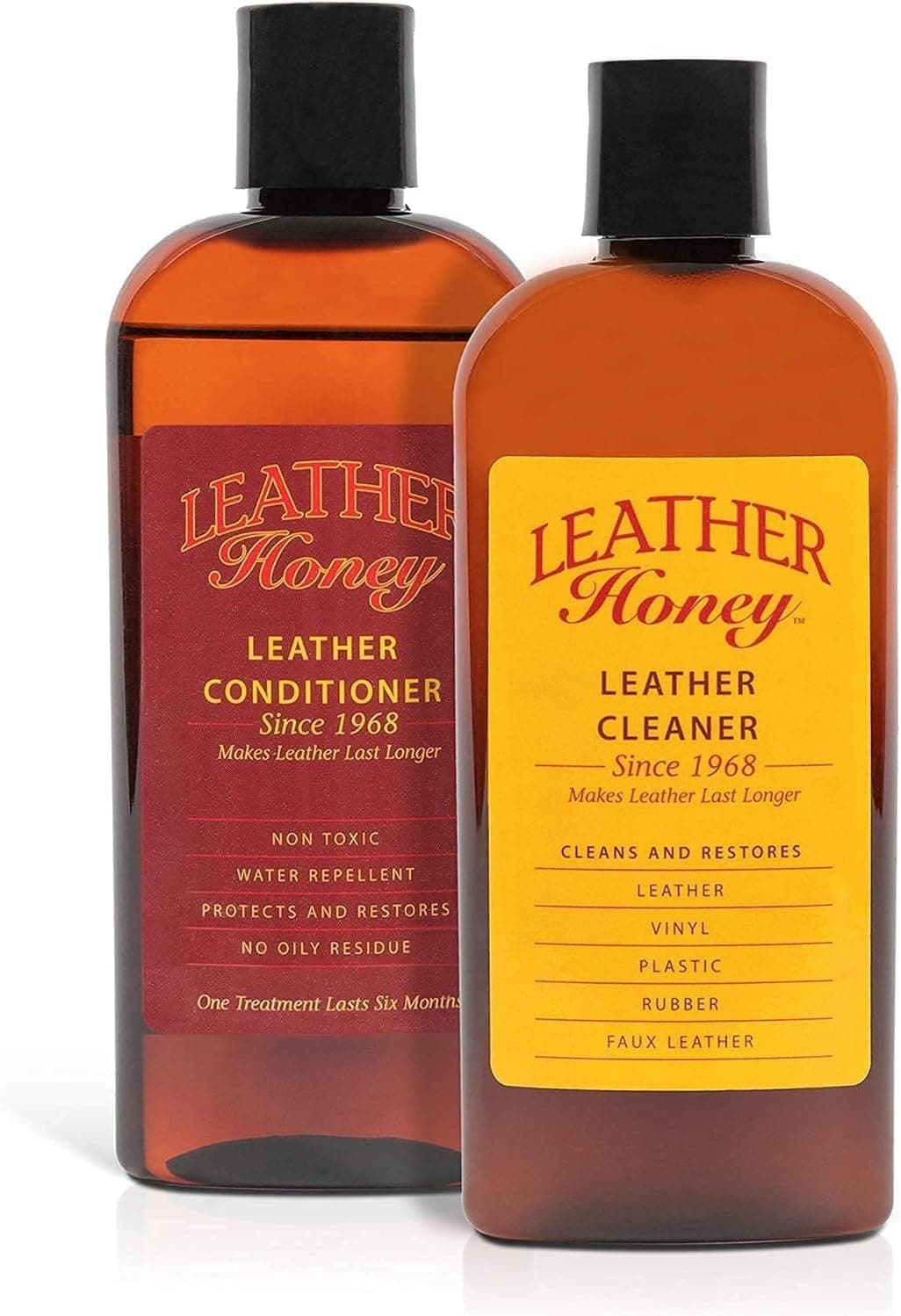
+ Kit pairs cleaner and conditioner for a full care routine
From our guide: Best Leather Conditioners to Restore and Protect Your Gear
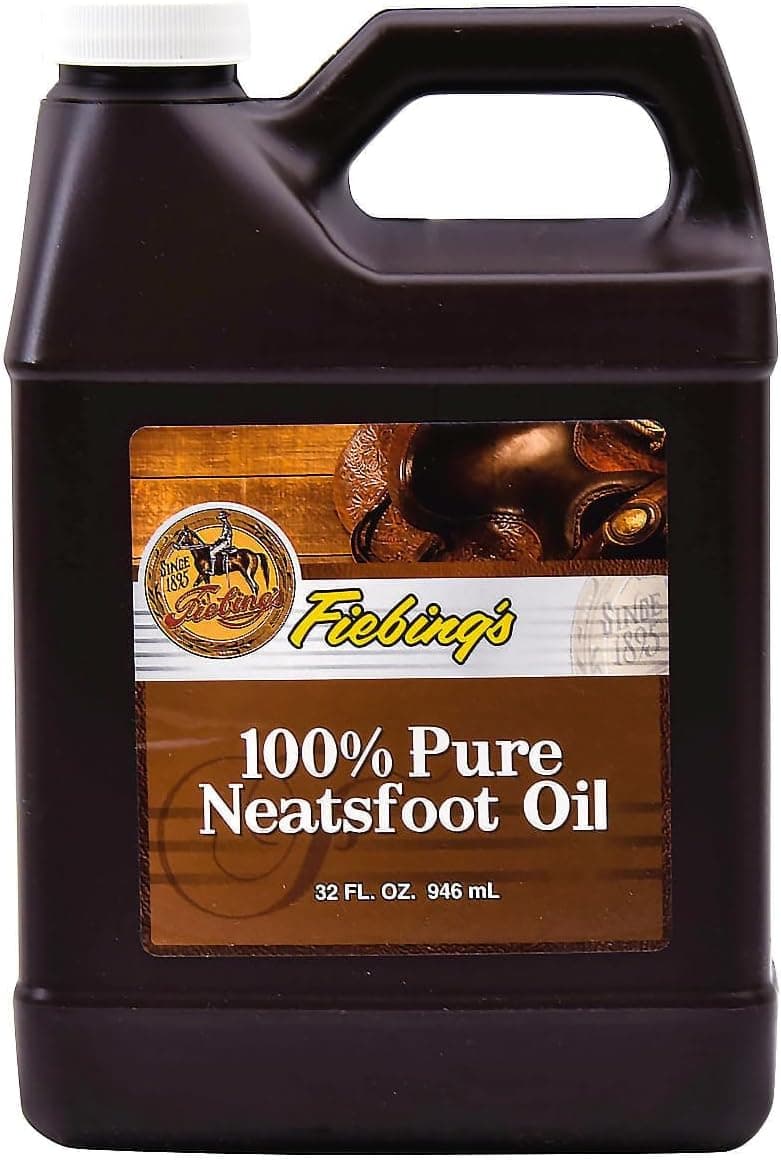
+ 32oz supply is great value for pure neatsfoot oil
From our guide: Best Leather Oils: Neatsfoot, Mink, and Modern Blends Compared
+ Blade steel is named: 1066 high-carbon steel, 3mm thick, with a 60mm wide curved edge
From our guide: Best Round Knives and Head Knives for Leatherwork
The mechanisms behind patina are mundane and fascinating
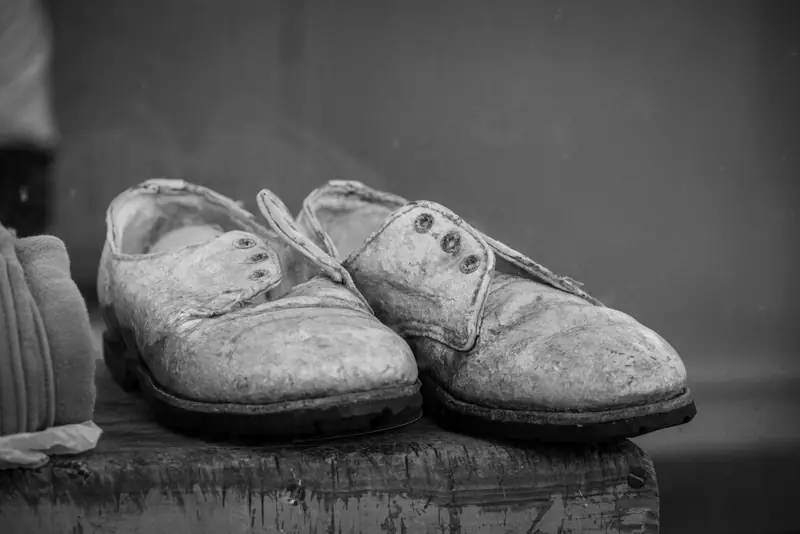
The mechanisms behind patina are mundane and fascinating at once. Ultraviolet light oxidizes the tannins in vegetable-tanned leather, tanning it in the everyday sense of the word, from pale flesh tones toward honey, amber, and eventually deep brown. Skin oils from handling migrate into the fibers and darken them, which is why handles, flap corners, and wallet edges lead the color change. Friction polishes the grain to a soft shine, pressure records folds and creases, and conditioning oils deepen everything. The material is effectively keeping a diary of its use.
Not all leather patinas equally
Not all leather patinas equally, and this is the crucial buying and making insight. Natural, undyed or lightly dyed veg-tan is the patina champion, changing dramatically within months. Bridle leathers and waxy pull-up leathers develop rich character too, with pull-ups adding lightened stress marks wherever they flex. Heavily pigmented chrome-tan, the coated leather on most commercial furniture and car seats, barely changes at all, because its color is a layer of finish sitting on top of the hide; it does not patina, it just abrades. If aging character is the goal, the label to seek is vegetable tanned, natural or aniline finish.
For makers, patina should influence several decisions
For makers, patina should influence several decisions. Natural veg-tan sold raw will look radically different in a year, so warn customers or gift recipients that the pale pink item in the box is a starting point, not the final product. Dye choices interact with aging too: light tan dyes deepen gracefully, while some pale greys and pastels can shift muddy. Even thread choice matters, since a contrast white stitch line on natural leather will read differently against the darkened leather of the future than it does on day one.
Accelerating patina is possible within honest limits
Accelerating patina is possible within honest limits. Time in indirect sunlight over days or weeks jump-starts the tannin darkening evenly, and a light oiling before sun exposure deepens the effect. Regular handling does the rest. What ages badly is neglect, not use: leather that dries out cracks instead of creasing softly, mold speckles stain permanently, and deep gouges are scars rather than character. The distinction between patina and damage is mostly a story of whether the fibers stayed conditioned while the surface collected history.
Stop protecting leather from its own life
Perhaps the best advice about patina is philosophical: stop protecting leather from its own life. The first scratch on a new veg-tan piece stings, but that scratch is the piece beginning to become singular, and in six months it will have blended into a surface no factory could replicate. Buy or build in materials that age, maintain them lightly, and the object becomes better looking every year it survives, which is close to unique among the things we carry.
Frequently asked questions
What causes leather patina to develop? Ultraviolet light oxidizes the tannins in vegetable-tanned leather, skin oils from handling migrate into the fibers and darken them, and friction polishes the grain to a soft shine.
What leather patinas best over time? Natural, undyed or lightly dyed vegetable-tanned leather is the patina champion, changing dramatically within months, unlike heavily pigmented chrome-tan which barely changes since its color is just a surface coating.
Can you speed up leather patina development? Yes, within honest limits: time in indirect sunlight over days or weeks jump-starts tannin darkening evenly, and a light oiling before sun exposure deepens the effect.
What is the difference between leather patina and leather damage? Patina develops while fibers stay conditioned; damage comes from neglect, where dried-out leather cracks instead of creasing softly, mold speckles stain permanently, and deep gouges become scars rather than character.
Popular right now
- Setting Rivets and SnapsArticle
- Best Pricking Irons for Clean, Slanted Saddle StitchesBuying guide
- Best Gum Tragacanth and Burnishing Agents for Leather EdgesBuying guide
- How to Dye Leather EvenlyArticle
- Choosing Your First Leather KnifeArticle
- Hand Stitching vs Machine Stitching LeatherArticle
Based on the last 28 days of search and visitor data.