Skiving Leather Explained
Published How we research
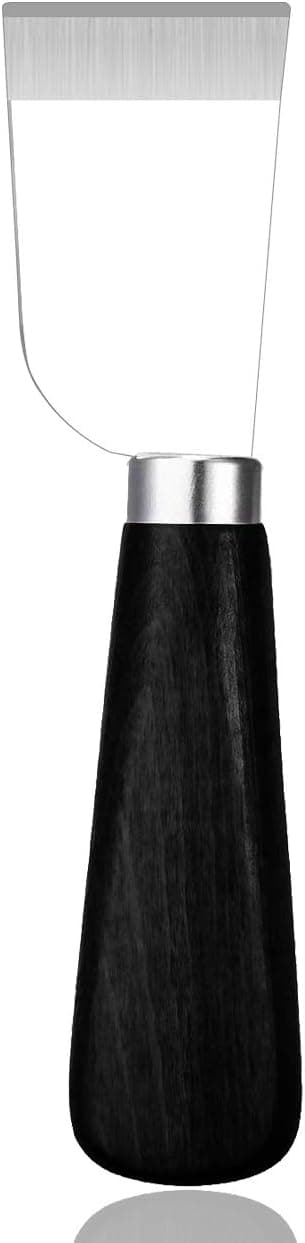
Skiving is thinning leather in selected areas, usually along edges, so folds, turned edges, and stacked layers do not build into ugly bulk. Wherever leather doubles over, pare the hidden side before assembly: taper the last 10 to 15mm to about half thickness for folds and to a feather edge for turned constructions. Use a safety skiver to start, step up to a sharp flat knife on a glass or marble slab, strop before every session, and take thin passes working in from the edge. Skiving is the practice of thinning leather in selected areas, usually along edges, so that folds, seams, and overlaps do not build into ugly bulk. It is the invisible skill: nobody looking at a finished bag ever says nice skiving, but everyone notices its absence, because unskived work has lumpy folds, bulging seams, and hardware sitting proud on mounds of doubled leather. Once you know to look for it, you will see skived construction in every well-made wallet, watch strap, and bag on the market.
Products from this article
The highest-scoring picks from the buying guides this article links to. Scores are our editorial assessment, not customer ratings.
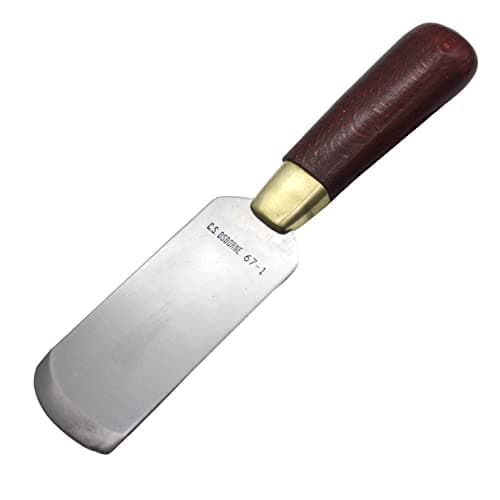
+ Same Osborne #67-1 pattern as the unavailable knife: a 4-1/8 inch by 1-1/2 inch blade with round beveled, hand sharpened edges.
From our guide: Best Leather Skiving Knives for Thin, Even Edges
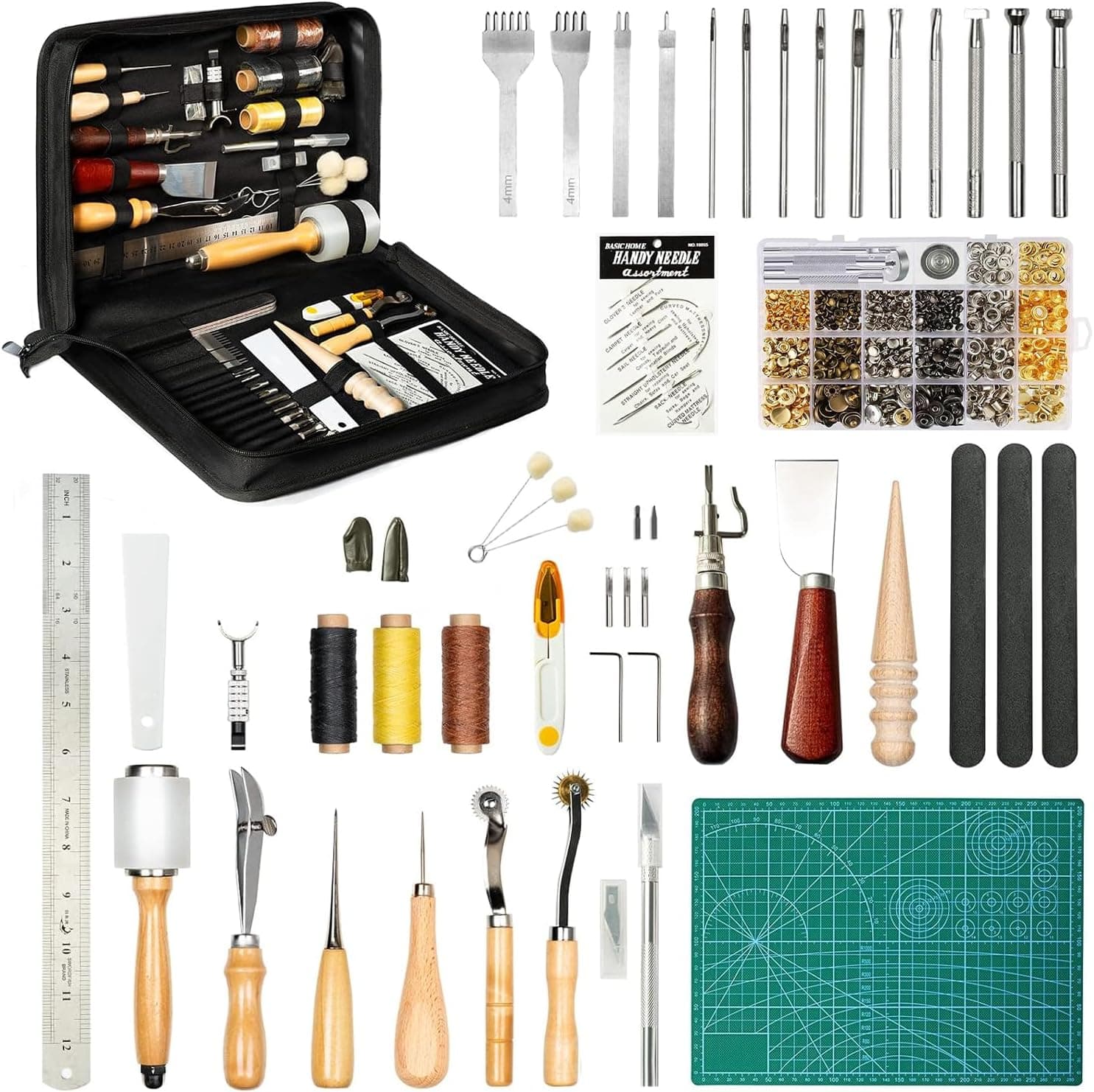
+ Organizer case keeps all 458 Pcs in order
From our guide: Best Leather Working Kits for Every Skill Level
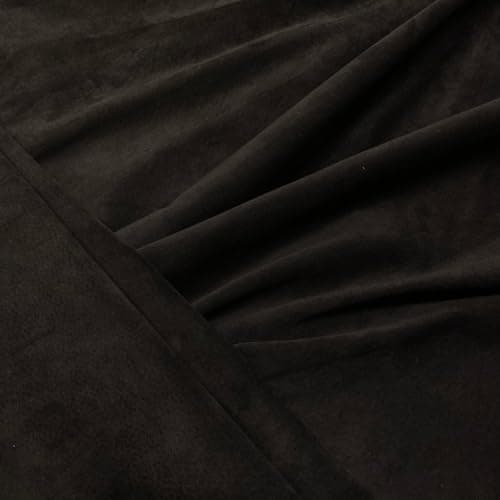
+ 0.5 to 0.6mm, 1.5 oz thickness is thin enough to line wallets and bags without adding bulk
From our guide: Best Suede and Lining Leather for Interiors, Sheaths, and Bags
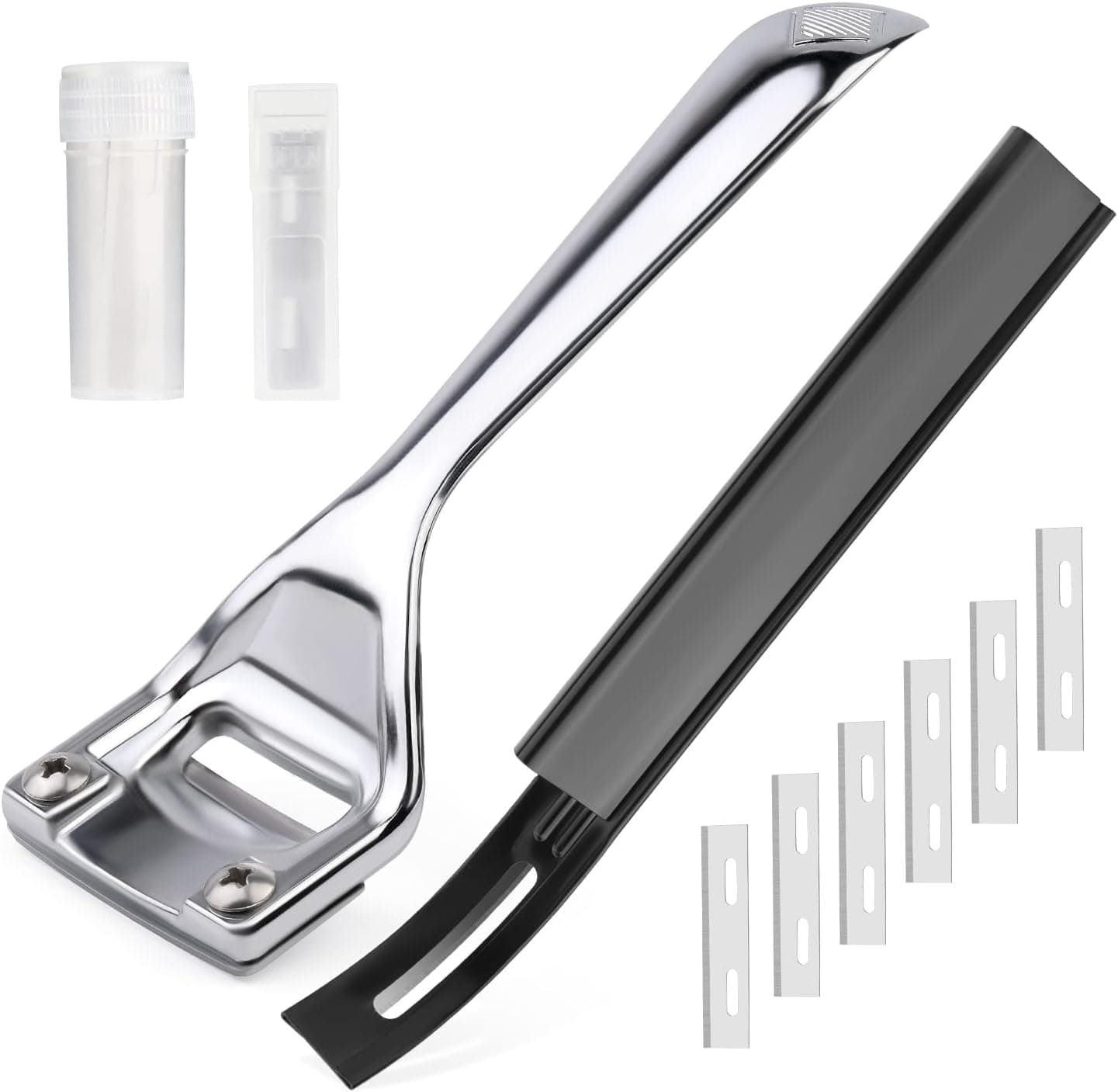
+ 6 spare blades mean you swap rather than sharpen
From our guide: Best Leather Skiving Knives for Thin, Even Edges
The principle: remove thickness where leather stacks
The principle is simple: wherever leather doubles over or stacks up, remove thickness from the hidden side before assembly. A folded pocket top in 4 ounce leather becomes 8 ounces at the fold unless the fold zone is skived to half thickness first. A turned edge, where leather wraps around a panel edge, only sits flat if the wrapped margin has been pared down. A buckle fold in a belt, a strap end under a rivet, a zipper tape junction, all of these are skiving jobs, each removing bulk exactly where it would otherwise accumulate.
Tools: safety skiver, skiving knife, or bell skiver
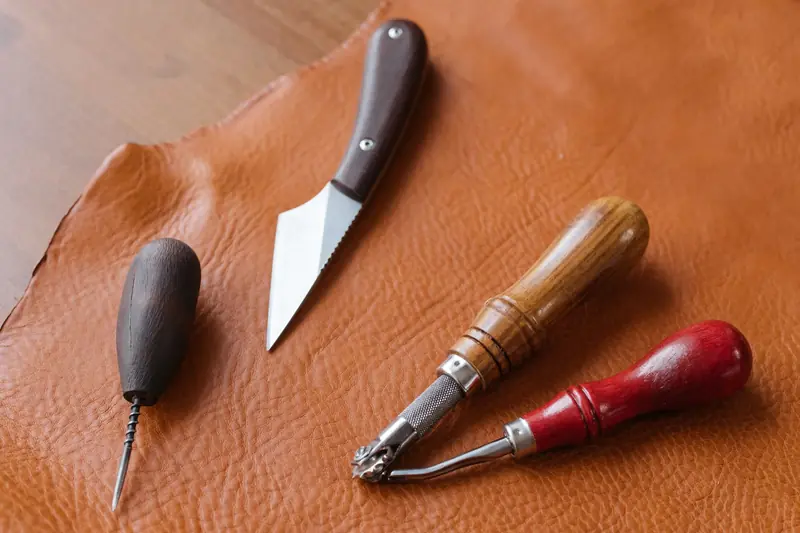
The entry-level tool is the safety skiver, which holds a replaceable razor blade behind a guard and shaves off controlled curls of leather. It is cheap, hard to injure yourself with, and genuinely effective on the flesh side of most leathers. Its limits are width and finesse: it takes narrow bites and can chatter on firm leather. The step up is a proper skiving knife, either the flat Japanese style or a curved head knife, pushed at a low angle through the leather against a hard, smooth surface. A marble or glass slab underneath makes an enormous difference, because soft cutting mats flex and let the blade dig unevenly.
Knife skiving is a sharpness test above all
Knife skiving is a sharpness test above all. A truly sharp blade slides through and leaves a smooth ramp; a slightly dull one grabs, tears, and punches through the grain side, which is the classic catastrophic skiving error. Strop before every skiving session. Then control comes from angle and ambition: keep the blade nearly flat, take thin passes rather than trying to reach final depth in one cut, and work in from the edge so mistakes run off the leather instead of into the panel. Practice on scrap of the same temper as the project piece, since floppy and firm leathers behave completely differently under the knife.
How much to remove
How much to remove depends on the job, and a useful default is to taper the last 10 to 15 mm of an edge down to roughly half the original thickness for folds, and down to a feather edge for turned constructions and French-style linings. Mark the skive zone with dividers first so the taper starts on a clean line, and check progress by folding the piece as it will fold in the final assembly; the leather itself tells you when the bulk is gone.
Build skiving into the pattern stage
For those who fall in love with refined small goods, a bell skiver, the motorized machine used across the industry, eventually beckons, but it is firmly optional equipment. A sharp knife, a slab, and patience cover everything a hobbyist builds. The real upgrade is the habit: at the pattern stage of every project, ask where the leather stacks, and schedule a skive there before glue ever touches the piece.
Frequently asked questions
What is skiving in leatherwork? Thinning leather in selected areas, usually along edges, so that folds, seams, and overlaps do not build into lumpy bulk. Every well-made wallet, strap, and bag uses it.
What tool should a beginner use for skiving? A safety skiver, which holds a replaceable razor blade behind a guard and shaves controlled curls. It is cheap and hard to injure yourself with, though it takes narrow bites.
Why does my skiving knife tear the leather instead of shaving it? The blade is not sharp enough. A truly sharp blade slides through and leaves a smooth ramp; strop before every skiving session and take thin passes rather than reaching full depth in one cut.
How much should I skive an edge? Taper the last 10 to 15mm down to roughly half the original thickness for folds, and to a feather edge for turned constructions and French-style linings. Check by folding the piece as it will fold in assembly.
Popular right now
- Setting Rivets and SnapsArticle
- Best Pricking Irons for Clean, Slanted Saddle StitchesBuying guide
- Best Gum Tragacanth and Burnishing Agents for Leather EdgesBuying guide
- How to Dye Leather EvenlyArticle
- Choosing Your First Leather KnifeArticle
- Hand Stitching vs Machine Stitching LeatherArticle
Based on the last 28 days of search and visitor data.