How to Protect Leather From Salt, Snow and Winter Weather
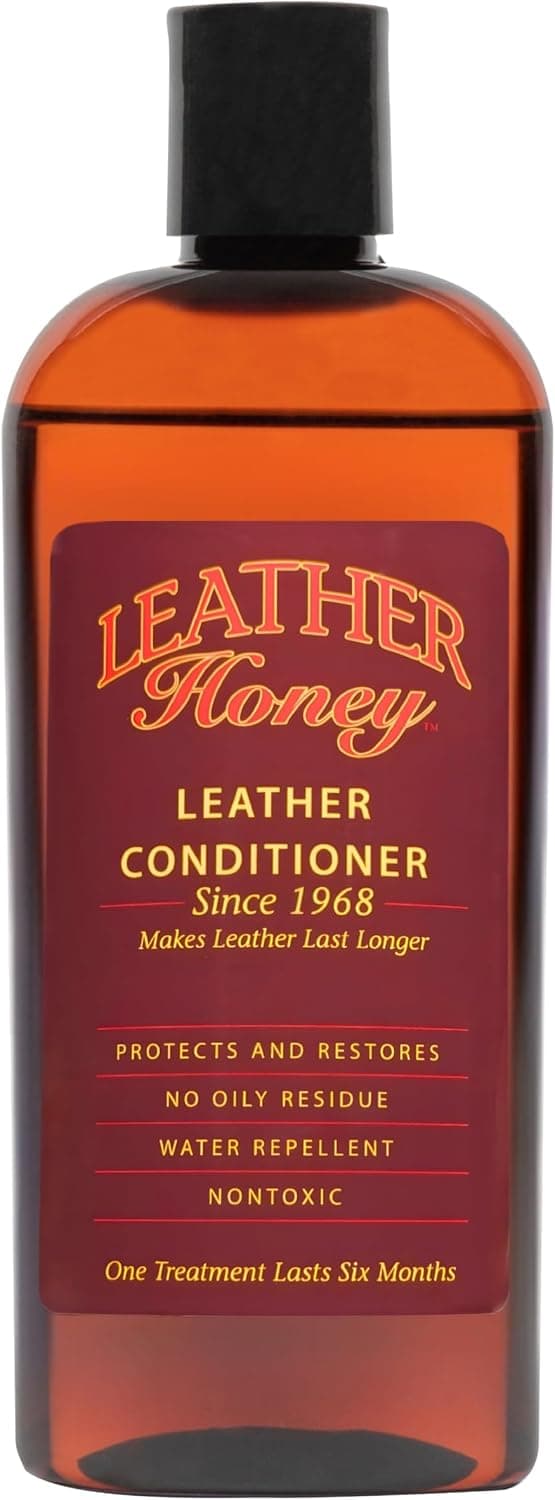
Winter is hard on leather. Road salt leaves white tide marks on boots, slush soaks into seams and indoor heating dries leather out until it cracks. Handmade leather goods can survive many winters with simple care. Cleaning salt promptly, drying slowly and conditioning regularly protect boots, bags, belts and wallets through the coldest months.
Protect leather before winter
Clean leather items and apply a suitable conditioner or protective wax before cold weather begins. Waxes and weatherproofing products create a barrier against water and salt.
Test products on a hidden area first, since some darken leather. Treat seams and edges carefully, where water often enters.
Remove salt stains promptly
Salt draws moisture out of leather and leaves white residue. Wipe salt stains soon after exposure with a cloth dampened with a mixture of water and a small amount of white vinegar, then wipe again with clean water.
Avoid soaking leather. After cleaning, let it dry naturally and apply conditioner to restore oils lost to salt and cleaning.
Dry wet leather slowly
Never dry leather next to radiators, heaters or fireplaces. Rapid drying makes leather stiff, shrunken and cracked.
Stuff boots and bags with paper to absorb moisture and help them keep their shape, replacing the paper as it becomes damp. Allow items to dry at room temperature.
Condition regularly
Indoor heating dries leather over winter. Apply a light conditioner every few weeks to items worn often, and buff away excess.
Over-conditioning can soften leather too much or darken it, so apply small amounts. Vegetable-tanned leather often needs less than finished chrome-tanned leather.
Care for handmade goods
Belts, wallets and bags absorb moisture from snow and rain. Wipe them dry and avoid storing damp leather in closed spaces.
Edges finished with paint or burnishing may need touch-ups after winter wear. Reapply edge coat or burnish lightly as needed.
Store leather properly
Store leather in breathable bags or boxes, not plastic, which traps moisture and encourages mould. Keep items away from damp basements and hot attics.
Check stored leather occasionally during winter. Early signs of mould or dryness are much easier to fix than long-term damage.
Restore leather after winter
When spring arrives, give winter leather a thorough clean with a leather cleaner to remove any remaining salt and grime, then condition it before storage. Salt residue left in seams and creases continues to dry the leather out over the summer even if it cannot be seen.
Inspect stitching on boots and bags for rot or fraying caused by repeated wetting, and check hardware such as buckles and rivets for corrosion. Small repairs made early, like restitching a seam or replacing a corroded snap, prevent bigger failures next winter.