Full Grain vs Top Grain Leather: What the Difference Means for Projects
Published How we research
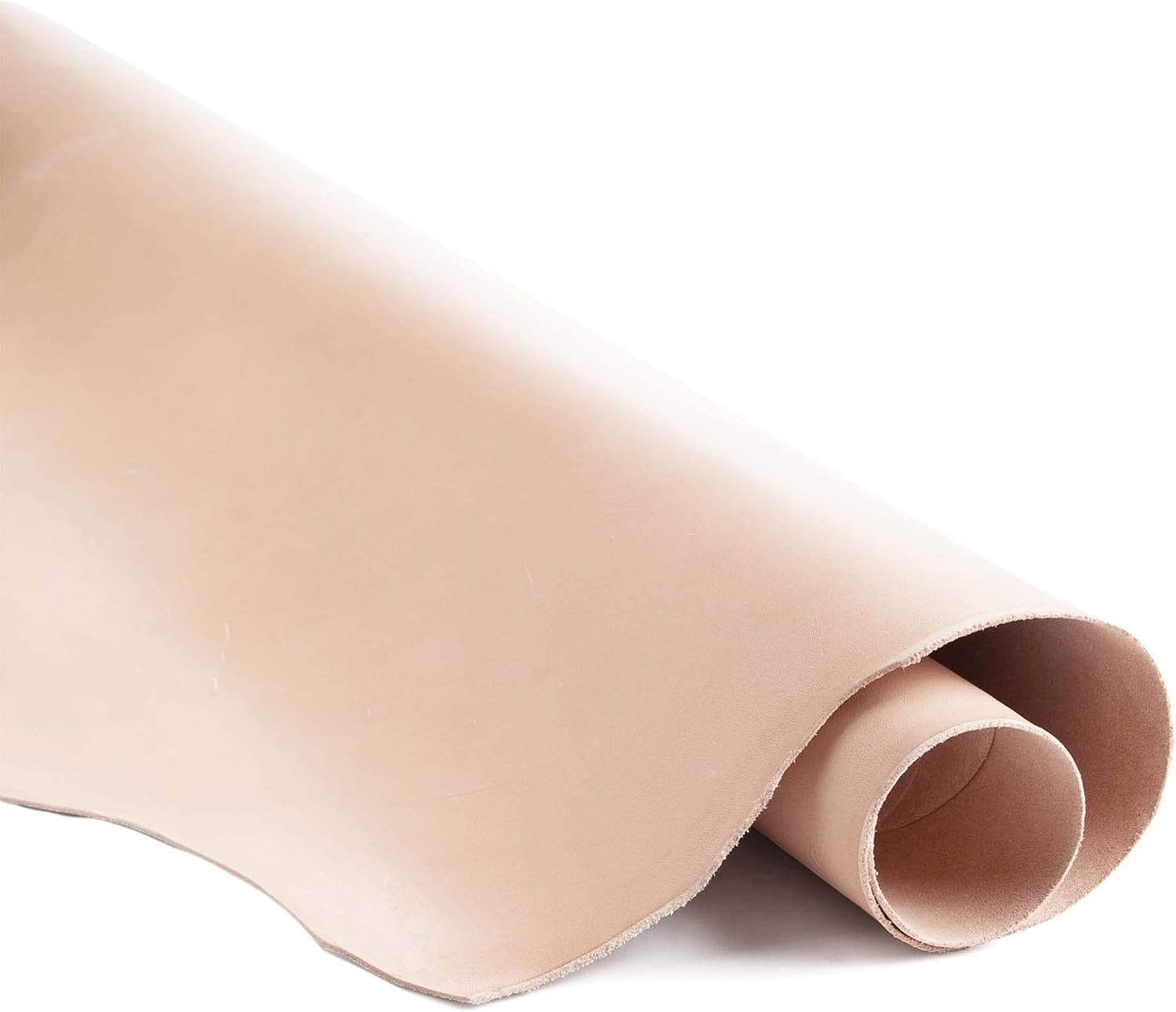
Full grain leather keeps the entire natural surface of the hide, while top grain leather has had the very top layer sanded or buffed away to remove marks, then usually finished with a coating or embossed pattern. Full grain tends to develop a patina and holds up well, but shows natural marks. Top grain looks more uniform and is often easier to color evenly. Neither is automatically better, because the tannage, thickness and finish matter just as much as the grade name. This guide explains how the two compare for wallets, belts, bags and tooled work, and what to look for when buying.
Products from this article
The highest-scoring picks from the buying guides this article links to. Scores are our editorial assessment, not customer ratings.
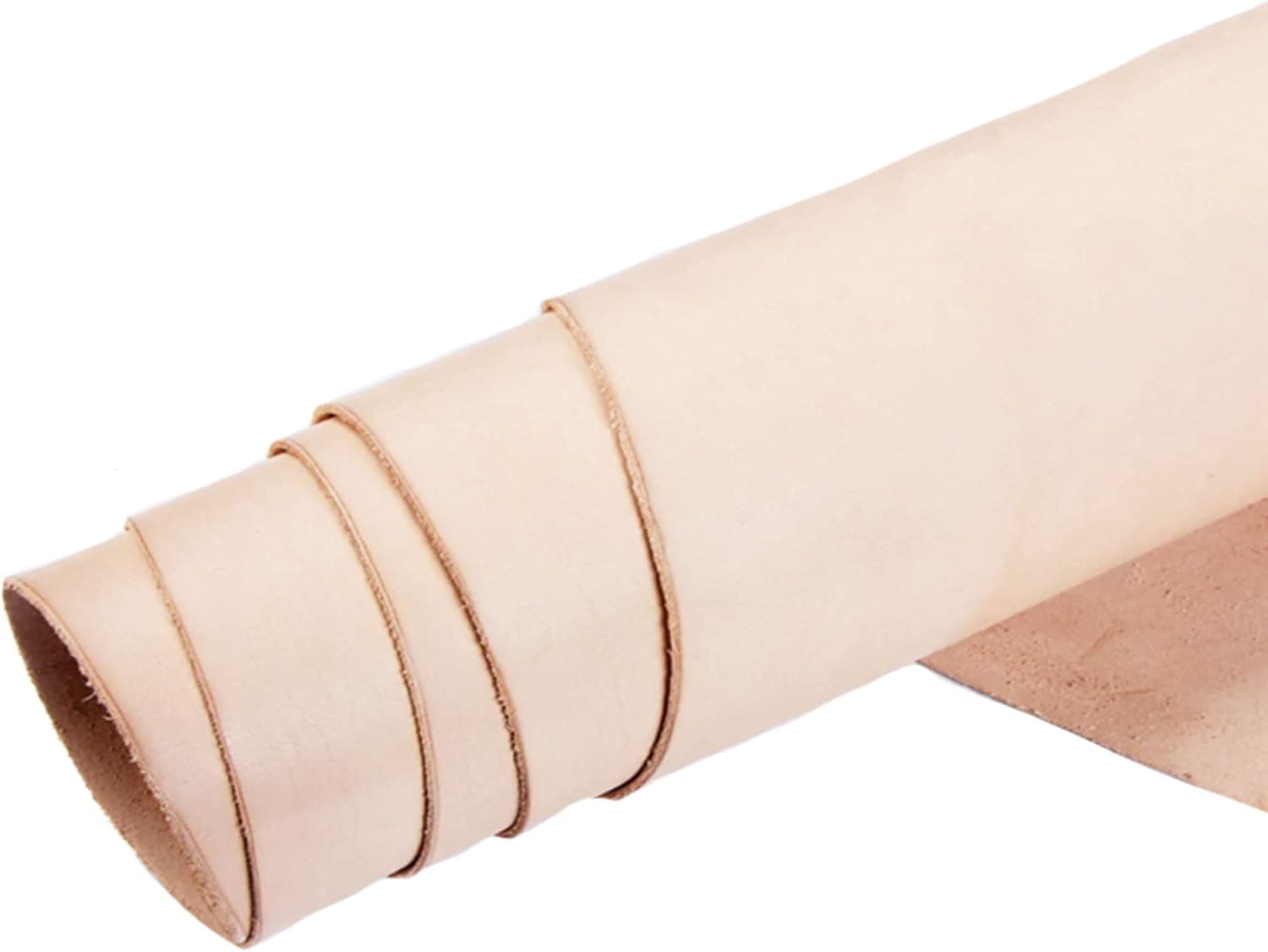
+ Springfield Leather is a long-standing leather supplier with steady stock
From our guide: Best Veg Tan Leather for Tooling, Carving, and Home Leathercraft
+ 8-10 SQ FT lets you cut many sheaths or holster parts from one piece
From our guide: Best Tooling Leather for Stamping, Carving, and Swivel Knife Work
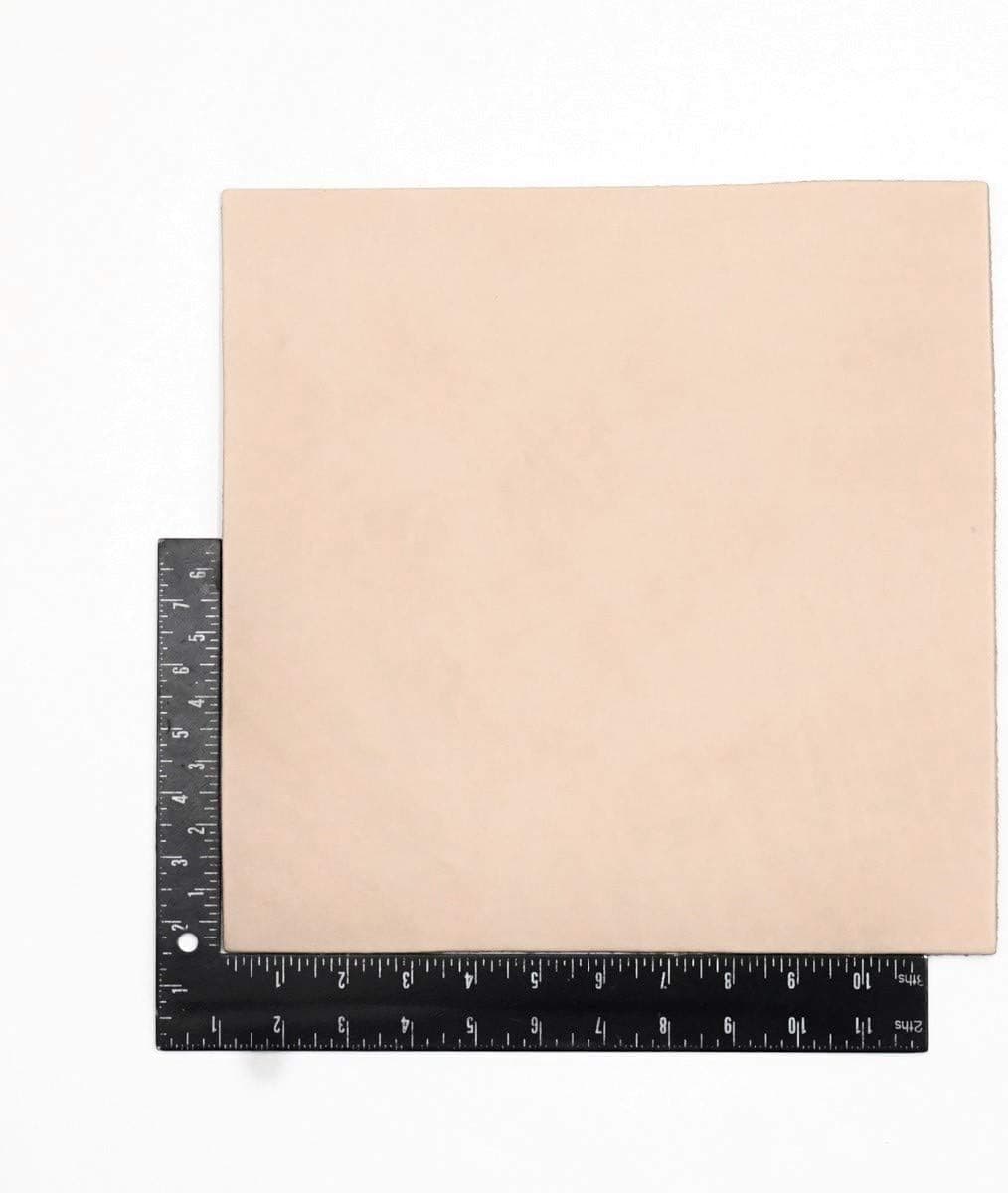
+ 3-4 oz, 1.2 to 1.6mm thickness is a firm, structured weight for card holders and wallet shells
From our guide: Best Leather for Wallets: Weights, Tannages, and Top Picks
+ 12"x24" size yields several sheaths or a full holster from one piece
From our guide: Best Veg Tan Leather for Tooling, Carving, and Home Leathercraft

What the grain layer is
Leather is made from the skin of an animal, and the grain is the outer layer, where the hair grew. It is the densest and strongest part of the hide, with tightly packed fibers that give leather its look and much of its wear resistance. Under it sits a looser, fibrous layer that is often split away to make thinner leather or suede.
When people talk about grades, they are mostly describing what was done to that outer layer. Full grain leaves it as it is. Top grain trims or sands it. Lower grades go further, with more sanding, embossing and heavy coatings. Because the words are used loosely by sellers, it helps to ask what the tannery did instead of trusting the label alone.
How full grain leather is made and what it looks like
Full grain hides are not sanded to remove natural marks, so you may see scars, healed scratches, wrinkles and variation in pore pattern. Some tanneries sort hides by grade, and clean ones are used for high end goods while marked ones go into rustic items. The surface can feel slightly rougher or more natural.
Because the surface is open, full grain leather often develops a patina with use. Handling, light and moisture slowly darken and polish it. Many leatherworkers like this because items look richer over time. It does, however, also pick up marks, so someone wanting a flawless look may be disappointed.
How top grain leather is made and what it looks like
Top grain leather is sanded or buffed to remove the outermost surface and any marks, then usually coated with a pigment or finish. The result tends to be more even in color and texture, and often feels smooth and consistent. Some top grain leather is embossed with a pattern, such as a pebbled texture.
Since the grain has been partly removed, top grain may be a bit less breathable and may not age in the same way as an open surface. The coating can make it more stain resistant. That can be a plus for wallets, bags or furniture that take a lot of daily use.
Strength and durability compared
Full grain keeps the strongest fibers intact, so it is often described as the more durable choice, but this depends on the tannage, thickness and care. A thick vegetable tanned shoulder will outlast a thin, poorly finished full grain skin. Top grain from a good tannery can also last for years.
For most projects, how you build the item matters as much as the grade. Good stitching, correct edge finishing and sensible hardware extend life more than a grade label. Check the thickness for your use and see how the leather behaves when flexed.
Which takes dye, tooling and finishing better
Veg tan full grain is the usual choice for carving, stamping and wet molding because it casing well and holds impressions. It absorbs dyes, though natural marks may show through. Top grain veg tan can give a more uniform color, but sanding and coatings can limit how well it accepts water based tooling.
Pre finished top grain often does not take dye the way raw leather does, since the coating blocks it. If you plan to dye, tool or burnish edges, ask the seller whether the surface is raw, aniline, semi aniline or pigmented.
Picking one for common projects
For belts, straps, sheaths and tooled pieces, full grain veg tan is a common and practical option. For wallets and bags that you want to look uniform, either can work, and chrome or combination tanned top grain is a reasonable choice because it is softer and often more water resistant.
Consider appearance, handling, budget and how you will finish the item. Buy a small piece to test before committing to a whole side, and remember that grain labels do not tell you everything about quality.
Buying tips and labels to question
Terms such as genuine leather and bonded leather describe lower grades or reconstituted material, and they say little about the quality of the surface. If a seller only says leather, ask for details on the layer used, the tannage and the thickness. Reputable suppliers explain these.
Look at the flesh side and the edge. Natural fibers should look layered and fibrous, not like uniform pressed material. Smell, flexibility and surface texture offer clues, but a trusted supplier is the most reliable guide.
Common myths about grades
One myth is that top grain is a cheap grade. In fact, top grain covers a wide range and some high quality leather is top grain, especially softer garment and bag leather. Another myth is that full grain cannot be dyed or finished, when many full grain hides are dyed, waxed or oiled at the tannery.
A third myth is that a grade guarantees how long a product lasts. Construction, thickness, tannage and care all play a part. Judge each piece on its own merits instead of assuming from the label.
A quick way to decide
Ask what you value most: a natural look that ages, or an even and protected surface. Natural look points to full grain, even and protected points to top grain. Then check thickness, tannage and finish for the job.
When in doubt, buy a small offcut of each and try cutting, stitching, dyeing and bending it. Trying them side by side teaches more than any description.
Popular right now
- Setting Rivets and SnapsArticle
- Best Pricking Irons for Clean, Slanted Saddle StitchesBuying guide
- Best Gum Tragacanth and Burnishing Agents for Leather EdgesBuying guide
- How to Dye Leather EvenlyArticle
- Choosing Your First Leather KnifeArticle
- Hand Stitching vs Machine Stitching LeatherArticle
Based on the last 28 days of search and visitor data.