How to Stop Leather Dye From Rubbing Off
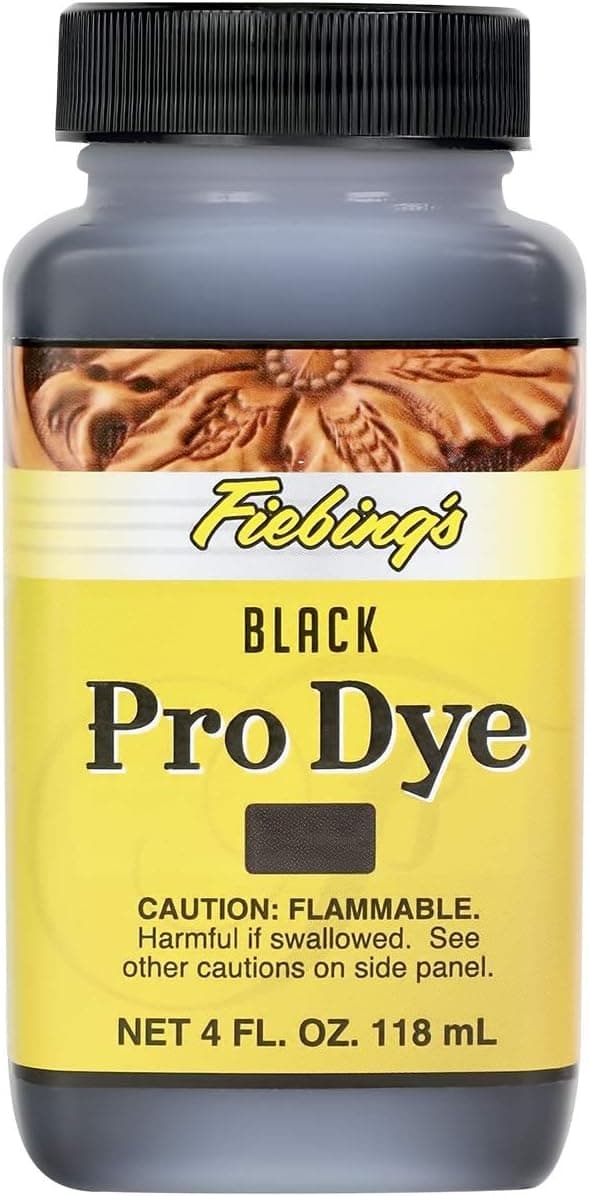
Finishing a wallet or belt only to find dye rubbing off onto your hands or light-coloured clothes is a common problem, especially with spirit-based dyes and deep colours like black and dark brown. This dye transfer, called crocking, happens when excess pigment or dye sits on the surface instead of penetrating the fibres. The fix is removing that excess before sealing, then choosing a suitable top coat.
Why dye rubs off
Leather can only absorb so much dye. When several heavy coats are applied, or dye is applied to already saturated leather, the extra dye dries on the surface as loose particles. Friction, moisture and body heat then transfer it to anything that touches the leather.
Spirit-based dyes penetrate quickly but can leave a surface residue, while some oil-based and water-based dyes behave differently. Dark colours contain more dye and are more likely to crock when overapplied.
Buff away excess dye
Once the dye has fully dried, usually after at least a few hours or overnight, buff the leather firmly with a soft cotton cloth or wool dauber. Keep buffing until very little colour transfers to a clean white cloth.
This step removes loose pigment and often improves the appearance by bringing up a light sheen. Do not skip it before applying finishes, since sealers can lock loose dye in a smeary layer that still transfers.
Apply thinner coats
On future projects, apply several light coats rather than one heavy flood. Letting each coat dry allows you to see how much colour the leather actually needs.
Diluting spirit dyes with the manufacturer's reducer for the first coat helps even absorption. Dampening veg-tan leather slightly before dyeing can also help dye spread evenly and reduce blotches.
Seal with a suitable finish
Acrylic finishes like Resolene create a flexible protective layer that reduces rub-off. Apply thin, even coats with a sponge or airbrush after buffing, allowing each coat to dry.
Waxes and conditioners add softness and some water resistance, but they do not always stop crocking alone. Some leatherworkers use an acrylic sealer followed by a wax finish for both protection and feel.
Test before finishing
Test dye and finish combinations on scraps from the same leather hide. Leather absorbs dye differently depending on tannage, thickness and surface finish.
After finishing a test piece, rub it with a damp white cloth to check for transfer. Adjust buffing and sealing steps until the cloth stays clean.
Fix finished items that still crock
For completed items that rub off, gently clean the surface with a slightly damp cloth, let it dry, buff thoroughly and apply another thin finish coat. Test in a hidden area first.
Dark belts and watch straps worn against light clothes may transfer slightly when new, even with careful finishing. Let customers or gift recipients know to avoid wet contact with light fabrics until the finish has fully cured.